
Pressure Washing Service Near Longwood Community Building in Longwood
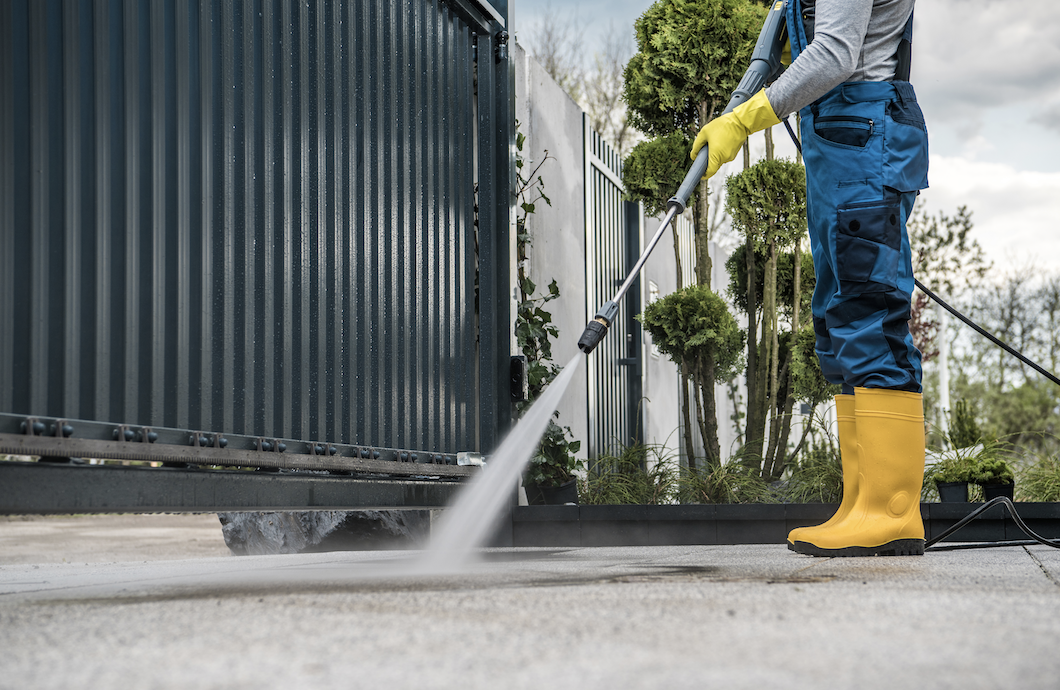
How Early-1980s Longwood Homes Handle Florida Grime
Quick Summary: Most homes near Longwood Community Building went up around 1983, so they've got original block construction and stucco. It soaks up mildew differently than newer builds. With over 93% single-family detached houses in this tract, we mostly deal with roofs, driveways, and screen enclosures built for an older Florida.
Drive down the streets near the community building. You'll notice these houses have character. The median build year in this tract sits around 1983. That puts a lot of these homes past the 40-year mark. This matters for pressure washing because older stucco and block homes hold onto algae differently. The pores in that older stucco are usually a little more open. Black streaking and green mildew get a real foothold if nobody's kept up with it.
We're out here every week, working driveways and house exteriors in this exact zip code. We see the same pattern again and again. A 1980s single-family home with a screened pool cage, a paver or concrete driveway, and a roofline that's picked up decades of oak pollen and organic growth. Almost every property in this tract - 93.52% of them - is a single-family detached house. These aren't condos or townhomes with shared walls, but individual roofs and driveways.
Ownership here runs high too, 86.23% owner-occupied. People who own their home in this part of Longwood tend to stick around and take care of it. We see it in how well some of these places have been maintained. Florida humidity doesn't care how proud you are of your lawn. So even a well-kept house from 1983 needs its exterior washed on a schedule.
- House exterior pressure washing for original stucco and block siding
- Driveway pressure washing on older concrete and paver surfaces
- Screen enclosure cleaning for pool cages common in this era of build
- Roof soft washing for black algae streaks that build up over decades
- Gutter cleaning on rooflines that have shed leaves for forty-plus years
A typical call we get from this area: a homeowner notices dark streaks running down a north-facing wall. It's usually a shaded side of the house, near mature landscaping. That's classic gloeocapsa magma, the organic growth that thrives on older stucco with a little extra roughness to grip onto. It's not damage. But it won't go away on its own either.
If your house near the community building was built in that early 80s wave, plan on more frequent attention for the roof and siding. More than a newer subdivision might need. The bones are solid, they just need regular care to look that way.
How Our Team Reaches the Longwood Community Building Area
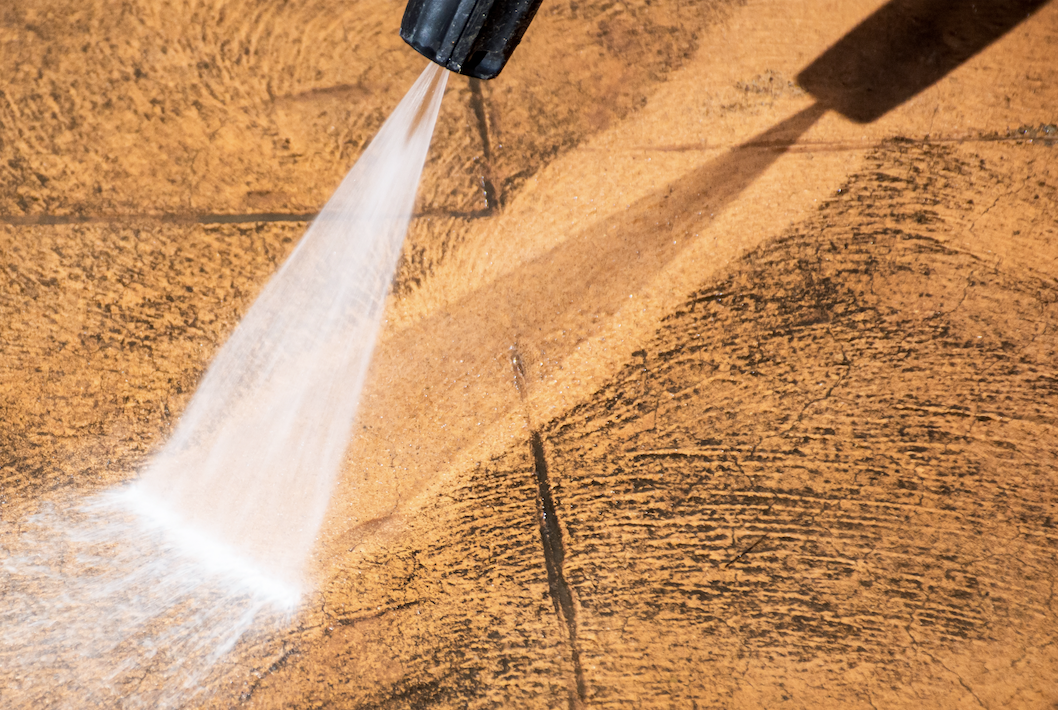
Getting to homes near the Longwood Community Building is a routine trip for our crews. That familiarity translates directly into more accurate arrival windows for customers. From our shop at 530 S Ronald Reagan Blvd, the route heads north along Ronald Reagan Blvd. It connects to W Church Ave, one of the main corridors leading straight into the historic district where the Community Building sits. Our trucks run this route multiple times a week. Traffic patterns, school zone timing, and typical congestion points are factored into scheduling before a crew ever leaves.
The path from our office to this part of Longwood stays on well-traveled local streets. It avoids unfamiliar back roads. Dispatch can give homeowners a realistic time window. This matters most on tightly packed service days. A crew might be doing a driveway pressure washing job near the Longwood Community Building in the morning and moving to a second job across town by early afternoon. Predictable drive times keep the whole day's schedule from sliding. This means less waiting around for you, the customer.
Once the truck turns onto the residential streets surrounding the Community Building, the process shifts from driving to setup. Crews typically park along the street, not blocking a driveway. This keeps the work area clear for equipment hoses and staging. Before any soft washing begins, the technician walks the property line. They confirm whether a side gate is unlocked or if access needs to be arranged through the front. Many older Longwood lots have fencing added well after the original home was built. Confirming this upfront avoids delays once the pressure washer is already running.
- Route stays on primary Longwood streets, avoiding detours that could throw off arrival estimates
- Trucks park curbside near the Community Building to keep driveways and walkways clear for hose lines
- Gate and side-yard access is confirmed with the homeowner or a placed note before equipment setup starts
- Wider driveways typical of this neighborhood give crews room to stage the pressure washer, surface cleaner, and hose reels without blocking the street
That extra driveway space near the Community Building is worth mentioning. Many of the homes in this section of Longwood were built with two-car-plus driveways or additional parking pads. This gives crews enough clearance to lay out equipment in an organized line. They aren't cramming everything into a narrow strip of concrete. This setup advantage often shaves several minutes off the prep stage. That time goes straight back into the actual exterior cleaning work.
Inside the Longwood Community Building Neighborhood
The area surrounding the Longwood Community Building is residential, overwhelmingly so. 93.52% of homes are single-family detached properties. This isn't a neighborhood dominated by condos, townhomes, or multi-family rentals. It's a community of standalone houses, each with its own driveway, walkway, siding, roofline, and yard. That distinction matters for pressure washing because detached homes typically have far more exterior surface area exposed to Florida's heat, humidity, pollen, and seasonal storms compared to attached housing types.
Ownership patterns reinforce this even more. Most households here are owner-occupied, not rental units. This means the people requesting pressure washing services are usually the same people who will live in the home for years to come. This creates a different service dynamic than areas with a lot of rental turnover cleanings. Requests from this part of town tend to focus on preventative maintenance, long-term surface protection, and preserving curb appeal for a home the owner plans to keep, not just one-time jobs.
Household income in this tract runs well above typical regional averages. That economic profile tends to correlate with specific property characteristics. Homes with higher household incomes often sit on larger lots with mature landscaping, established tree canopies, and expanded hardscaping. Think extended driveways, pool decks, and paver walkways. All these features add square footage that needs periodic exterior cleaning. Mature trees especially contribute organic staining from sap, pollen, and leaf debris that standard rinsing cannot fully remove. We see a lot of that.
Home values in this area also trend higher than in many nearby pockets of Longwood. That valuation gap isn't accidental. Owners who have more equity invested in their property tend to treat exterior maintenance as a value-protection strategy. It's not a cosmetic afterthought. Consistent cleaning of siding, roof soft washing, and concrete surfaces helps prevent the kind of long-term organic growth and staining that can lower a home's perceived condition during appraisals or resale evaluations.
The median resident age near the community building sits around 39. This figure typically reflects established families. They aren't transient renters or first-time buyers still testing out a neighborhood. Families in this stage of homeownership often plan maintenance in seasonal cycles. They schedule driveway and walkway cleaning ahead of spring gatherings. Roof soft washing before hurricane season, or fence and patio cleaning before fall outdoor entertaining. This creates a predictable rhythm of service demand tied to the calendar rather than sporadic, reactive requests.
- Larger lots near mature trees often need more frequent driveway and walkway cleaning due to sap and organic debris
- Owner-occupied homes tend to prioritize long-term surface protection over quick cosmetic fixes
- Higher property values often justify recurring exterior cleaning maintenance schedules, not just one-time cleanings
- Established families frequently plan pressure washing around seasonal events and hurricane preparedness
Frequently Asked Questions
How fast can your crew get to a house near the Longwood Community Building?
Our shop sits on S Ronald Reagan Blvd, a straight shot up to W Church Ave and the Community Building area. We run this route multiple times a week, so we know traffic patterns and school zone timing. That familiarity means dispatch can give you a realistic arrival window, not a guess.
My stucco home near the Community Building was built in 1983. Does it need special pressure washing care?
Yes, homes from this era often have older, more porous stucco that grips algae and mildew more easily than newer builds. We commonly see black streaking on shaded, north-facing walls near mature landscaping. It's not damage, but it needs regular soft washing to keep it from spreading.
Will your crew need access to my backyard or side gate near the Community Building?
Often, yes, especially for screen enclosures and pool cages common in this neighborhood's 1980s-era homes. Before starting, our technician walks the property line to check gate access. Many older Longwood lots added fencing after the original build, so confirming access upfront keeps the job moving without delays.