
Can Pressure Washing Damage My Roof or Siding? Safe Exterior Cleaning Explained
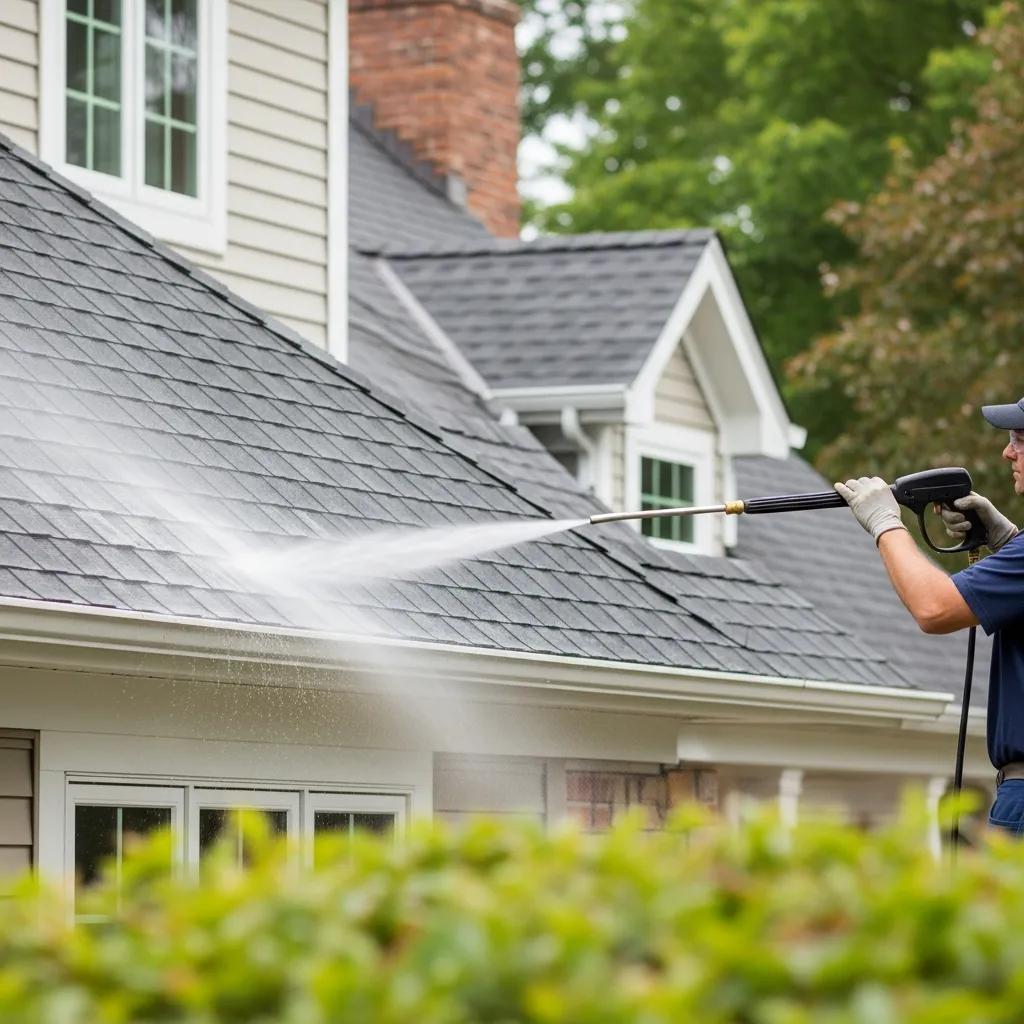
High-pressure washing can harm delicate roofing materials and many siding types by stripping protective layers or forcing water into places it shouldn’t go. This guide explains how that damage happens and shows safer alternatives. You’ll learn specifics—like shingle granule loss and seam lift on vinyl siding—plus clear signs that say when to stop and choose a low-pressure soft wash instead. We compare soft washing to high-pressure cleaning, cover warranty and insurance implications, and give a practical DIY vs. professional checklist. We also introduce Ragin Cajun Soft Wash, a family-owned Longwood, Florida company, to show how trained crews handle soft washing the right way. By the end, you’ll have checklists and comparisons to help decide whether to tackle a clean yourself or hire insured technicians for Roof Soft Washing or House Washing. Read on to learn how pressure, chemistry, and technique work together so you can protect your home and warranties.
What Are the Risks of Pressure Washing on Roofs and Siding?
Pressure washing applies concentrated force to exterior surfaces, and that force can remove protective materials or push water into assemblies where it causes hidden damage. High-pressure streams can strip shingle granules that shield asphalt shingles, lift siding seams, remove paint and finishes, and force water behind cladding where mold and rot can start. Below is a short list of the most common, surface-specific risks to help you spot immediate problems and decide whether to stop and reassess before continuing. A quick table follows so you can scan common failure modes at a glance.
Common risks from high-pressure cleaning include:
- Shingle granule loss: Removes the weatherproofing layer and shortens roof life.
- Water intrusion: Forces moisture under shingles and behind siding panels.
- Paint and finish stripping: Wears away protective coatings, leading to earlier repainting.
- Warping and seam lift: Deforms vinyl and wood siding, creating gaps and leak points.
Those immediate problems often lead to secondary issues like faster material deterioration and hidden leaks, so knowing how damage happens helps you pick a safer cleaning method.
Different exterior materials suffer different damage types from excessive pressure; the table below maps common surfaces to typical damage so you can plan inspections and repairs.
That mapping shows which materials are most sensitive to high pressure and why choosing the correct cleaning approach matters for avoiding long-term repair costs and warranty disputes. Next up: how soft washing reduces these risks.
How Can Pressure Washing Cause Roof Damage Like Shingle Granule Loss and Leaks?
Roof damage from pressure washing starts with shingle construction: asphalt shingles depend on embedded mineral granules to reflect UV, protect the asphalt, and slow weathering. A high-pressure jet acts like an abrasive and can dislodge those granules, exposing the asphalt to faster degradation and making shingles brittle. Strong streams aimed upslope can also force water under adhesive seals and into roof decking, creating leaks that may not show up right away. Once granules are gone, the roof’s protective function drops and replacement can come sooner than expected. Spotting granule loss or lifted shingle tabs is the first step toward choosing a gentler cleaning method that preserves roof life.
These roof mechanics explain why a chemistry-first, low-pressure approach is the safer choice for many roofing materials, which we cover in the soft washing section.
What Types of Siding Damage Can Result from High-Pressure Washing?
Siding systems react differently to high-pressure streams. Vinyl siding can warp, crack, or have seams lifted when blasted; wood siding can splinter and lose paint; painted or composite surfaces can lose primers and topcoats, exposing raw substrate to moisture and rot. Stucco and EIFS are vulnerable to pitting and micro-cracks that grow once water reaches the substrate. Even when visible damage looks small, water pushed behind cladding can feed mold and mildew growth over time. After any pressure-based cleaning, inspect seams, fastener lines, and paint adhesion to catch early signs of failure.
Knowing these differences makes it clear why the cleaning method must match the siding type. The next section explains how soft washing does that and reduces these risks.
Why Is Soft Washing a Safer Alternative for Roof and Siding Cleaning?
Soft washing uses low pressure together with targeted cleaning solutions to remove organic growth without mechanically abrading surfaces. It’s a chemistry-first method: biodegradable biocides, detergents, and surfactants break down algae, mold, and lichens at their root so they can be rinsed away gently. Benefits include longer-lasting cleanliness, fewer repeat cleanings, and a much lower risk of forcing water into assemblies than with high-pressure blasting. The comparison table below highlights where each method fits so you can quickly see which approach is best for different situations.
This comparison shows why soft washing is the safer choice for many home exteriors: it treats the cause of staining without needless mechanical wear. The following sections explain the soft-wash steps and the benefits homeowners notice over time.
How Does Soft Washing Work to Protect Roof Shingles and Siding?
Soft washing starts with a surface inspection to identify sensitive materials, then applies a low-pressure chemical solution that clings and dwells long enough to break down biological growth at the root. The solution loosens spores and biofilm without abrasive force, and a gentle rinse carries residues away without stripping granules or paint. Proper runoff management protects landscaping and drainage while ensuring active agents are removed after they do their job. Because soft washing treats the biological problem rather than just scraping stains, it lengthens the time between cleanings and cuts the risk of mechanical damage from high-PSI approaches.
Choosing low pressure and biodegradable solutions is what preserves materials and leads to the benefits described next.
What Are the Benefits of Soft Washing for Long-Lasting Exterior Cleanliness?
Soft washing gives a quick cosmetic boost and long-term protection because it removes the living organisms that cause stains rather than simply blasting them away. In humid climates—where algae and mildew are common—soft washing extends the interval between cleanings by treating organism roots and slowing regrowth. Many soft-wash solutions are biodegradable and, when applied with runoff controls, limit harm to plants. By preserving shingle granules and paint films, soft washing also helps keep manufacturer warranties intact and delays the need for repainting or early roof replacement.
With those benefits in mind, the next big question is how warranties and insurance respond to pressure washing or soft washing.
Can Pressure Washing Void Roof or Siding Warranties? What Homeowners Should Know
Yes—improper pressure washing can jeopardize roof and siding warranties if a manufacturer or installer finds physical damage consistent with high-pressure abrasion. Many warranties exclude damage from improper maintenance, and visible signs like stripped granules, dislodged shingles, or removed paint can be cited as homeowner-caused deterioration. To protect coverage, document any professional cleaning with invoices and a clear description of methods used, and check manufacturer maintenance guidelines before authorizing aggressive cleaning. The table below maps typical warranty rules to homeowner actions so you can see what preserves coverage and what puts it at risk.
This warranty mapping highlights why following manufacturer care guidance and keeping records matters for protecting claims and long-term value.
How Does Improper Pressure Washing Affect Roof Warranty Validity?
Improper pressure washing often leaves physical evidence—granule loss, torn shingle tabs, or visible abrasion—that manufacturers may interpret as improper maintenance. When a claim is filed, manufacturers and insurers look for documentation and causation; if high-pressure cleaning caused the problem and it violates warranty guidance, a claim is more likely to be denied. To avoid this, check manufacturer instructions, choose gentler recommended methods, and document any professional service with details on methods and chemicals used. Keeping before-and-after photos and invoices strengthens your position when discussing warranty coverage.
Once you understand warranty risk, it’s sensible to consider potential insurance exposure from DIY cleaning mistakes.
What Are the Insurance Risks of DIY Pressure Washing Damage?
DIY pressure washing creates two main insurance risks: insurers may deny claims when damage is clearly self-inflicted or due to negligent maintenance, and homeowners can be held liable for water intrusion or damage to a neighbor’s property. Many homeowner policies exclude coverage for avoidable damage, and DIY-related claims can mean higher premiums or out-of-pocket repairs. Hiring insured professionals lowers these risks because pros usually carry liability insurance and provide documentation that supports claims and shifts responsibility away from you. Keep invoices and process notes on file in case you need them for an insurance conversation.
Knowing how warranties and insurance interact helps answer the practical question: should you DIY or hire professionals?
Should You Hire Professionals for Exterior Cleaning? Risks of DIY Pressure Washing vs. Expert Services
DIY pressure washing can seem cheaper at first, but it carries material, safety, and warranty risks that often outweigh the savings for roofs and delicate siding. Professionals bring training, calibrated equipment, the right chemicals, and insurance—factors that reduce the chance of damage or injury. Use the decision checklist below to weigh the pros and cons and decide if DIY is reasonable or if you should hire professional Roof Soft Washing or House Washing. A short list of pro advantages follows to show why hiring trained technicians is usually the safer choice.
A homeowner decision checklist for choosing a cleaning method:
- Material sensitivity: Hire a pro for roofing, vinyl siding, or painted wood.
- Height and safety: Hire a pro if ladders or roof access are required.
- Warranty constraints: Hire a pro when manufacturer guidance specifies soft washing.
- Extent of growth: DIY may work for small, low-risk spots; otherwise hire a pro.
This checklist helps you judge when DIY is reasonable and when the risks favor an insured professional.
Benefits professionals provide include:
- Trained assessment: Pros evaluate materials and choose soft washing when appropriate.
- Proper equipment: Low-pressure systems and calibrated applicators prevent abrasion.
- Insurance and documentation: Insured crews and written reports protect homeowners for warranty or insurance purposes.
Those professional strengths lead into the safe, repeatable soft-wash processes described next.
What Are the Dangers of DIY Pressure Washing on Roofs and Siding?
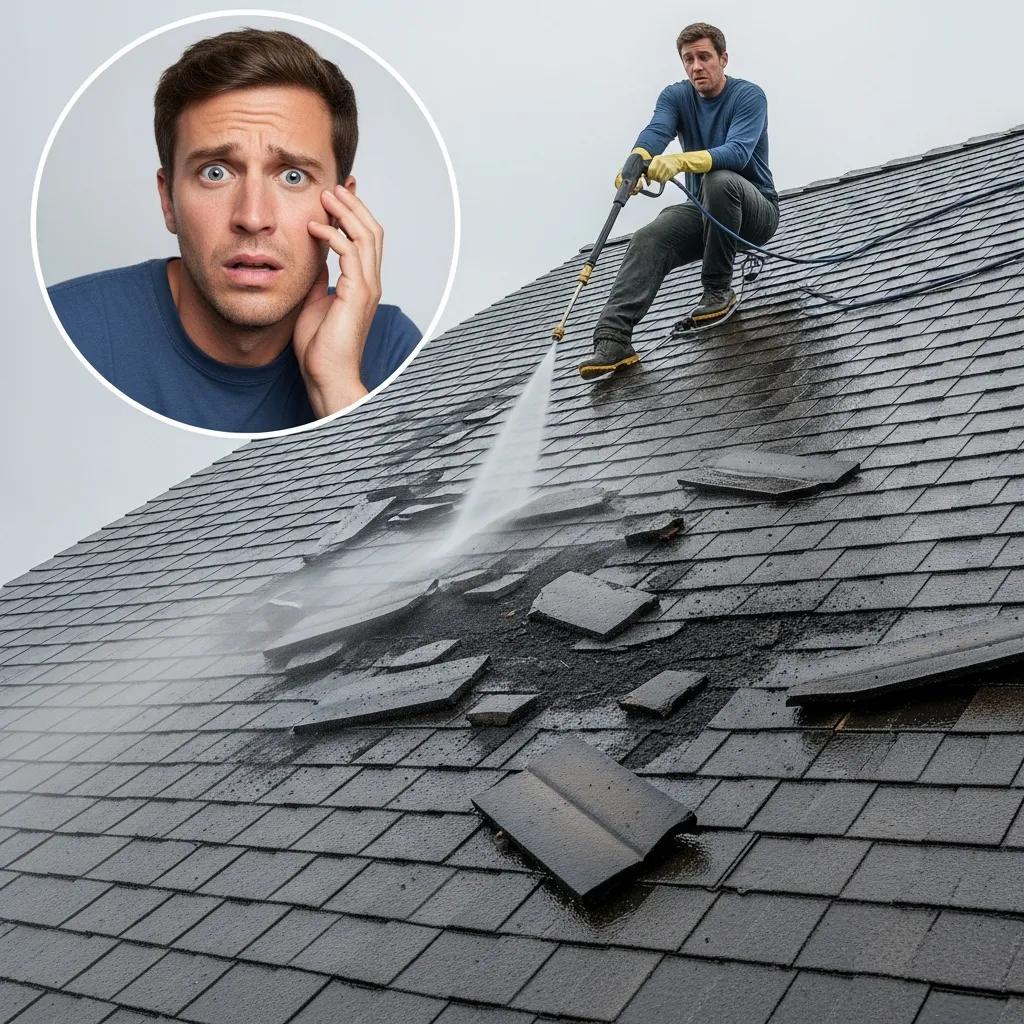
DIY pressure washing often misses the nuance of matching method to surface. Common homeowner mistakes include using too much PSI, wrong nozzle angles, and poor runoff control. Those errors can dislodge shingle granules, crack or warp siding, strip paint, and force water into wall cavities where mold and rot can start unseen. Personal safety is also an issue: working on ladders or roofs with pressurized equipment raises fall risk and potential injury. And without professional documentation, you have no paperwork to support warranty or insurance claims—leaving you liable for repairs. For high-value or warranty-sensitive surfaces, get a professional assessment before attempting a DIY clean.
These DIY risks point directly to the professional steps that reduce them, which we explain next.
How Do Professional Soft Washing Services Ensure Safe and Effective Cleaning?
Professional soft washing follows a repeatable workflow: inspect the surface, identify material sensitivity, apply a low-pressure solution with proper dwell time, manage runoff, and document results. Technicians are trained to match method to surface, use biodegradable cleaning agents when appropriate, and adjust pressure and spray patterns to prevent abrasion and water intrusion. Insured companies provide paperwork and before/after photos that help preserve warranty coverage and support insurance claims if needed. Those practices minimize both short- and long-term damage—why many homeowners choose trained, insured technicians for roofs and delicate siding.
Documented methods and insurance coverage are strong reasons to prefer professional services when roof health and warranty preservation matter.
How Does Ragin Cajun Soft Wash Protect Your Home with Roof and House Washing Services?
Ragin Cajun Soft Wash is a family-owned exterior cleaning company in Longwood, Florida, serving Central Florida and Orlando. We focus on safe, matched-method cleaning—using Roof Soft Washing and House Washing with trained crews, surface-appropriate methods, and full insurance to prevent damage from improper cleaning. Our approach follows industry best practices: low-pressure application, biodegradable solutions, and careful runoff control. Below are the main service focus areas and safeguards we emphasize to protect your home.
- Roof Soft Washing to remove algae while preserving shingle granules.
- House Washing using low-pressure techniques for vinyl, wood, and painted finishes.
- Complementary services like Paver Sealing, Gutter Cleaning, and Window Cleaning.
Those service notes show our priority on matching method to surface and protecting homeowner investments. The next sections explain how we apply those principles on roofs and houses.
What Makes Ragin Cajun’s Roof Soft Washing Safe for Delicate Surfaces?
At Ragin Cajun Soft Wash, technician training and method matching are core. We use soft washing on roofs to avoid high-pressure abrasion, assess roof materials, and apply low-pressure chemical treatments designed to break down algae and mildew without stripping granules or lifting shingles. We’re fully insured and communicate our process clearly so homeowners have documentation for warranties or insurance if questions arise. Those practices reflect the safe soft-wash workflow recommended earlier and show how local providers protect roofs in humid Central Florida conditions.
Pointing out these safeguards helps homeowners see why professionals reduce risk compared with DIY attempts.
How Does Our House Washing Service Safely Clean Vinyl and Other Siding Types?
Our House Washing pairs low-pressure application with detergents tailored to siding types to prevent warping, seam lift, and paint stripping that can happen with high-pressure cleaning. Technicians evaluate the siding—vinyl, wood, stucco—and pick chemical blends and spray angles that remove organic growth while protecting finishes and seals. We control runoff and protect landscaping to reduce environmental impact, and we document methods for homeowner records. This surface-aware approach lowers the chance of water intrusion behind panels and extends the life of painted and vinyl exteriors in humid climates.
Those service-level safeguards are why many homeowners choose trained professionals for sensitive exterior cleaning.
What Are Common Questions About Pressure Washing Damage and Safe Cleaning Methods?
Below are short, expert-focused answers to common homeowner questions about pressure washing, PSI selection, and when soft washing is the better option. Each answer is written for quick clarity so you can use the guidance when evaluating cleaning options or talking with contractors.
Can Pressure Washing Damage Roof Shingles?
Yes—high-pressure washing can strip shingle granules and loosen tabs, reducing a roof’s UV protection and weather resistance and potentially leading to leaks over time. High PSI effectively sands the shingle surface, and once granules are gone the asphalt is exposed to faster deterioration. That’s why soft washing is usually recommended for asphalt shingles: it treats biological growth chemically without abrasive force. Always follow manufacturer cleaning guidance and document any professional soft-wash service to protect warranty rights.
Is Soft Washing Better for Vinyl Siding Than Pressure Washing?
Yes—soft washing is generally better for vinyl siding because it uses low pressure and tailored detergents to remove mold, mildew, and dirt without warping panels or lifting seams. High-pressure streams can deform thin vinyl, force water behind laps, and dislodge clips or fasteners, creating long-term moisture problems. For hard surfaces like concrete or pavers, high-pressure cleaning is often appropriate, but for siding and roofs the matched-method approach of soft washing reduces the risk of material damage. Choose your method based on surface sensitivity, warranty guidance, and professional assessment for the best, longest-lasting results.
Conclusion
Pressure washing can be useful, but it’s not the right tool for every surface. Understanding the risks—and the benefits of soft washing—helps you protect your roof and siding, preserve warranties, and avoid costly repairs. When in doubt, hire trained, insured professionals who specialize in soft washing. If you’d like help, explore our services or contact Ragin Cajun Soft Wash to keep your home looking great and protected for years to come.