
Can You Pressure Wash Roof Shingles Safely? What Homeowners Need to Know in Longwood
Pressure Washing Roof Shingles Can Cause Serious Damage
Damage can happen, this is the truth most people don't want to hear. A standard pressure washer cranks out 2,500 to 3,200 PSI. Your roof shingles simply cannot handle that kind of raw force.
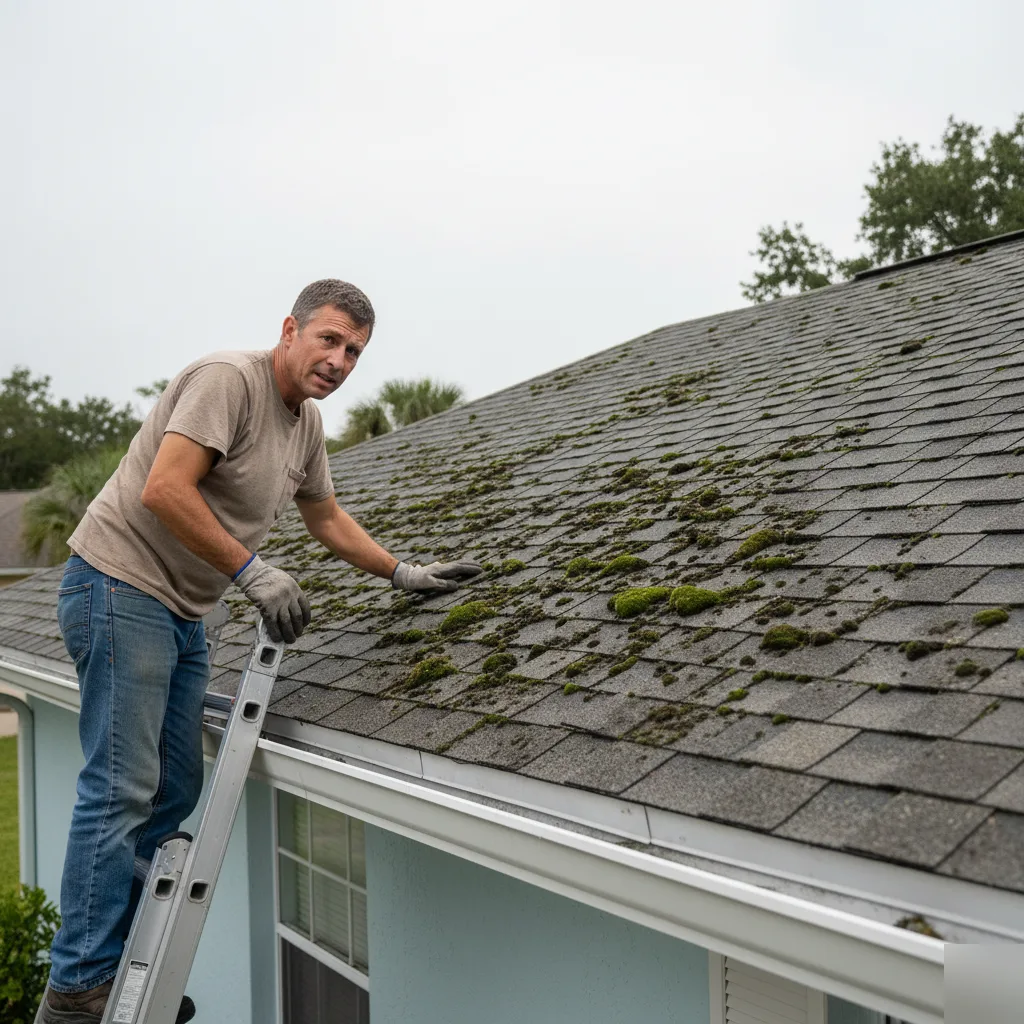
Asphalt shingles have this tiny layer of protective granules on top. These little bits are the only real shield your roof deck has against the brutal Florida sun. Pressure washing roof shingles just blasts those granules right off. Once they're gone, that's it.
We see this blunder constantly here in Longwood. A homeowner spots those ugly black streaks or some green algae patches. They go rent a pressure washer from the hardware store, thinking they'll sort it out — instead of calling a professional pressure washing company in Longwood. Two hours later, the roof looks cleaner. But the actual damage? It's already done, even if they can't quite see it yet.
Without those granules, shingles soak up more heat. They crack faster. The edges start to curl. What began as a simple cleanup job turns into a full-blown roof replacement conversation within a few short years. The Asphalt Roofing Manufacturers Association (ARMA), by the way, has clear warnings against using high-pressure water on shingle roofs for exactly this reason.
And the trouble goes beyond just losing granules.
High-pressure water forces its way under the shingle tabs. It breaks that critical adhesive seal holding each shingle flat against the one beneath it. Once that seal busts, wind can lift the shingle right up. Rain gets underneath. Now you've got water in your roof deck, your attic, and maybe even dripping from your ceiling.
Think about a typical house near Candyland Park or along CR 427 in Longwood. Many of these roofs were put on maybe 10 or 15 years ago. The shingles are already past their most flexible stage. Hit them with a pressure washer? You're just fast-tracking the failure of a roof that had plenty of life left.
Most folks just don't get this until it's much too late.
There's also a big flashing issue. Pressure washing roof shingles can bend or even dislodge the metal flashing around things like vents, chimneys, and skylights. Flashing is there to stop water from sneaking in at those joints and seams. You mess it up, and you’ve created expensive new leak points that are tough to track down.
So, what does this damage actually look like? You might start seeing bare, dark patches where those granules used to be. Your gutters could be packed with sandy grit right after the cleaning. Shingle edges might start lifting within months. Then, small leaks pop up during our heavy summer storms. By the time you connect all the dots, your roof has aged five years in just one afternoon.
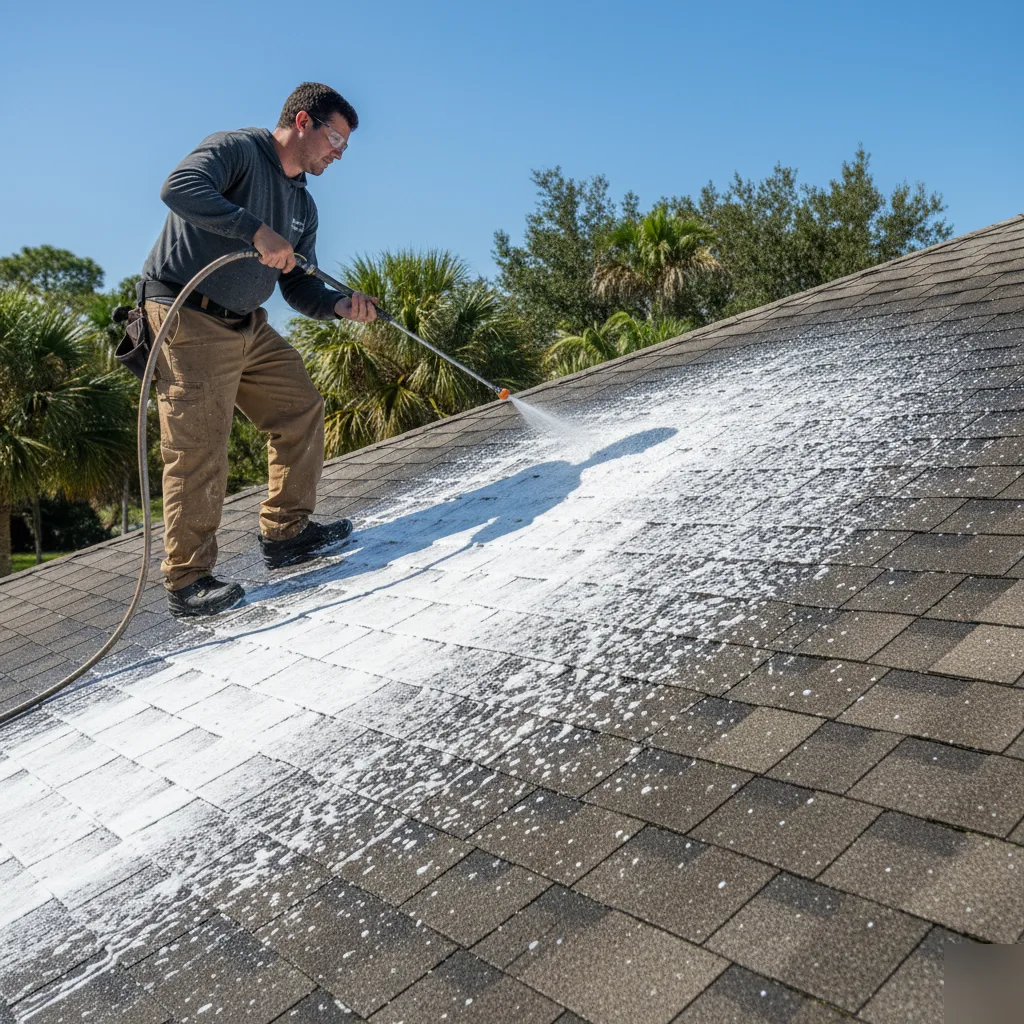
Here’s a situation we’ve seen play out more than once. A Longwood homeowner blasts their roof clean right before putting their house on the market. The home inspector comes through and flags severe granule loss and lifted shingles. The buyer either demands a big roof credit or simply walks away. That "free" cleaning just cost them thousands.
But what if you use lower pressure? Some people try to dial their machine down to 1,000 PSI or even less. At that point, you're not even really pressure washing roof shingles anymore. You’re using a souped-up garden hose, and it won't actually get rid of the algae anyway. Those organisms causing the black streaks? They need a chemical treatment, not brute force.
The bottom line is pretty straightforward. Pressure washing roof shingles often creates bigger problems than it solves. You were looking for a clean roof that would last. Instead, you get a clean roof that dies young. There are much better ways to get the job done without all the risk, and that's exactly what professional roof cleaning is all about.
Soft Washing Is the Safer Method for Roof Shingle Cleaning
So, if pressure washing roof shingles is a gamble, what actually works? Soft washing. This is our go-to method for almost every roof we touch in Longwood. And the results? They really do speak for themselves. You can explore our roof soft washing services here.
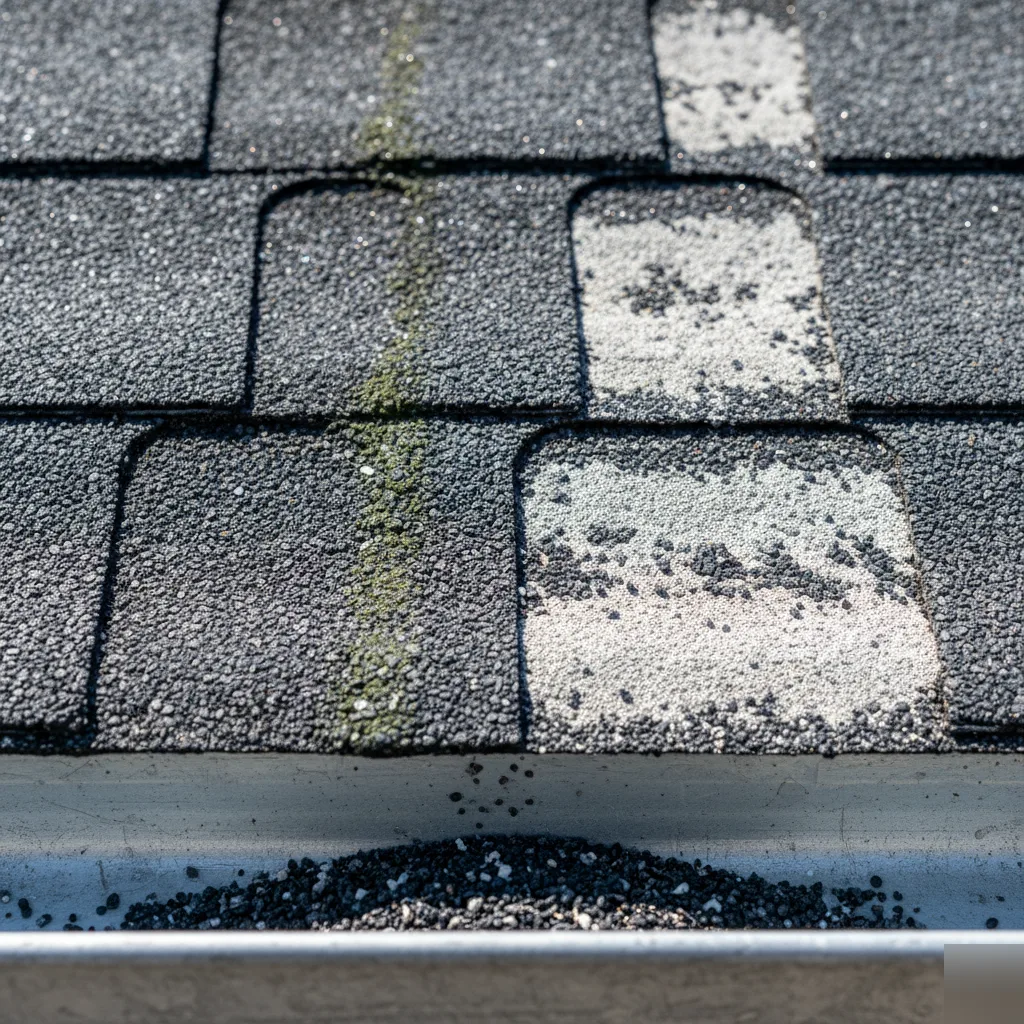
Soft washing uses very low-pressure water, always paired with specific cleaning solutions. The water pressure stays below 100 PSI. That's gentle enough to rinse your car. The cleaning solution is what does the real work, not brute force.
It’s a simple process. A biodegradable solution gets applied to your shingles. It goes to work, killing algae, mold, and bacteria right at the root. Then, a gentle rinse removes everything. No granule loss. No cracked shingles. And no voiding those important manufacturer guidelines.
The Asphalt Roofing Manufacturers Association actually recommends low-pressure washing as the approved way to clean asphalt shingles. That's not just our opinion, it's the industry standard from the very folks who make your roof.
We see plenty of Longwood homeowners trying the DIY route with a rented pressure washer. They figure they're saving money. But then they call us six months later because their roof looks even worse. The algae came back faster because the roots were never killed, just blasted off the surface temporarily.
Soft washing treats the actual problem. Pressure washing just covers it up for a bit.
Think of it like weeds in your garden. You can mow them down, and for a moment, they look gone. But they spring right back up. Soft washing is like pulling those weeds out by the root. The cleaning solution penetrates the organism and gets rid of it completely.
In Central Florida’s sticky, humid climate, this is even more critical. Longwood homes near spots like The Springs or along Church Avenue are constantly battling moisture. Algae and those black streaks will return quickly if you don't kill the spores. A proper soft wash treatment can keep your roof clean for two to three years, depending on factors like shade and how many trees you have around.
Another thing people often don't realize is that soft washing is also kinder to your landscaping. The solutions we use break down quickly and won’t harm your plants or grass when we apply them correctly. A pressure washer, on the other hand, can send debris flying into your flower beds or strip mulch right off your foundations.
And the whole process is quicker than you might imagine. Most Longwood homes only take a few hours, from start to finish. Nobody even has to walk on your roof. The solution is applied from the ground or from a ladder positioned safely at the roof edge. Less foot traffic means a lot less risk of any damage.
If you're thinking about getting your roof shingles cleaned, our roof soft washing services page shows you exactly how we work on homes just like yours.
But here’s what really makes a difference for your wallet. Because soft washing doesn't damage your shingles, it actually helps extend your roof’s lifespan. You’re getting rid of harmful organisms without stripping away that protective granule layer. Your roof stays solid. Your shingles keep doing their job, season after season.
We had a client near Longwood Hills Road, for example, whose north-facing roof was half-covered in black streaks. They’d even been quoted for a full roof replacement. After just one soft wash treatment, their roof looked almost new again. No replacement needed. That kind of transformation is pretty common for us.
Soft washing roof shingles isn't just the safer choice. It's truly the smarter one for the long haul.
Need help with can you pressure wash roof shingles safely? what homeowners need to know?
Call now for a free estimate. Ragin Cajun is ready to help.
Certain Roof Conditions Make Any Cleaning Method Risky
Not every roof is ready for a cleaning. Some roofs hide damage you can’t spot from the ground. And pushing ahead with any cleaning method on a compromised roof? That can quickly turn a small issue into a massive problem.
We actually see this more often than you'd expect right here in Longwood. A homeowner notices some dark streaks or mossy patches and just wants them gone. That's completely understandable. But the roof underneath might already be on its last leg.
Here’s what makes a roof a risky candidate for cleaning:
- Shingles starting to curl at the edges, a sure sign of aging.
- Granule loss so bad you see actual bare spots.
- Cracked or broken shingles scattered across multiple areas.
- Decking that feels soft or spongy when you step on it.
- Flashing already pulling away from valleys or walls.
Any of those conditions means your roof is fragile. Pressure washing a fragile roof doesn't clean it. It accelerates its destruction.
But here’s the kicker that many people overlook. Even soft wash methods carry risks on an already damaged roof. The cleaning solutions need time to work on the surface. If shingles are already cracked, that solution can seep right underneath and get to the wood decking. Moisture trapped under shingles leads straight to rot. Rot then leads to leaks you won't even notice for months, maybe even longer.
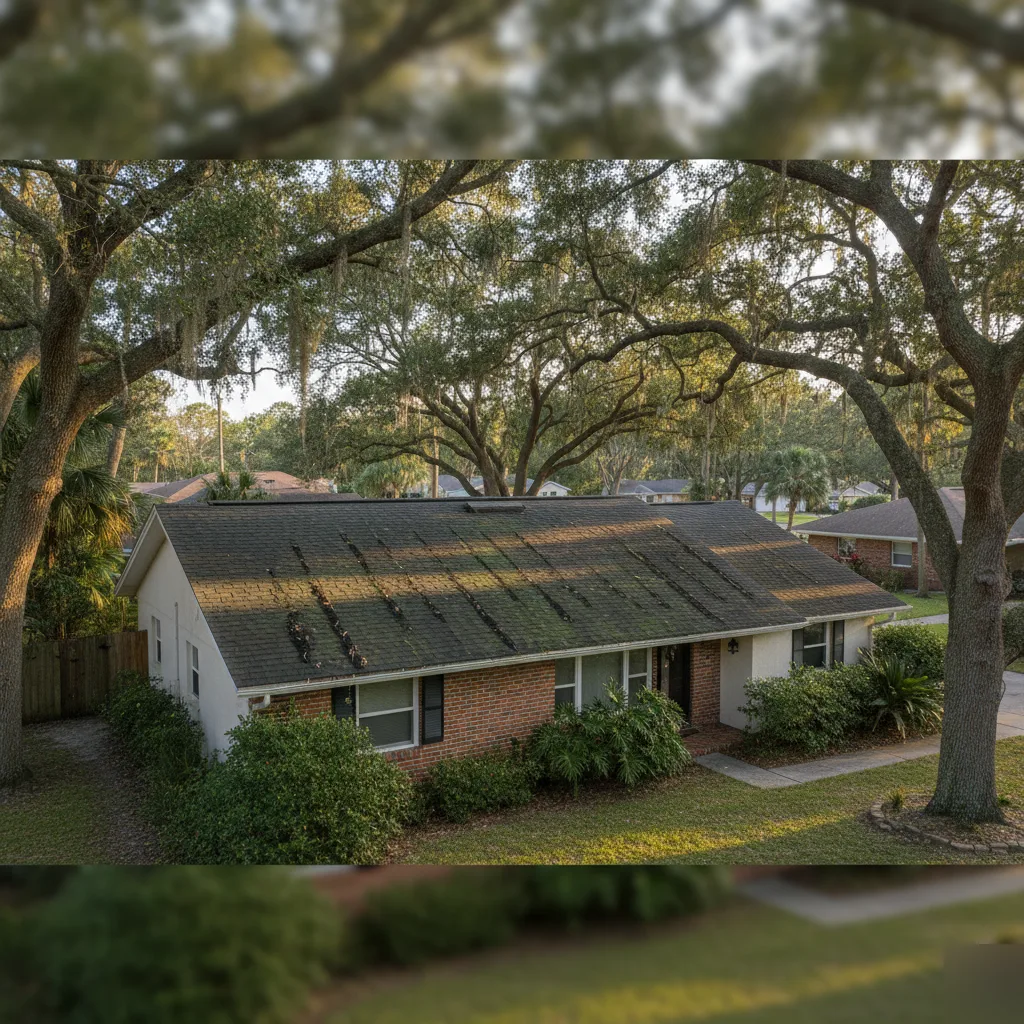
Longwood's relentless humidity just makes this whole situation worse. Central Florida’s warm, wet climate means moisture doesn't dry out quickly under compromised shingles. According to the National Roofing Contractors Association, trapped moisture is one of the biggest reasons roofs fail prematurely. So, a roof that looks like it just needs a good cleaning might actually need some serious repairs first.
So, how do you even know if your roof is too far gone for cleaning?
Age plays a huge role. Most asphalt shingle roofs are built to last 20 to 25 years. If yours is already past 15 and clearly showing wear, cleaning could do more harm than good. The granules on older shingles are already loose. They come right off with barely any contact.
We had a situation last year near the Longwood Historic District. The homeowner wanted moss removed, hoping to get their house listed. From the street, the roof looked okay. But up close, we found shingles lifting in three different spots and heavy granule loss across the entire north-facing slope. Cleaning that roof would have caused immediate leaks, no doubt about it. They needed a roofer first, long before they needed a cleaning crew.
That’s a scenario truly worth thinking about before you book any roof cleaning service.
Another big red flag is past storm damage. Longwood gets hammered with strong storms every summer. Hail, high winds, and torrential rain all weaken shingles over time. Sometimes the damage is subtle. A shingle might look perfectly fine, but it could have a tiny hairline crack that just opens right up the second water pressure or a chemical solution hits it.
And trees cause problems too. Homes near Candyland Park or along the heavily shaded streets off Church Avenue often have dense canopy cover. Branches constantly scraping across shingles wear down that protective layer. These roofs grow algae and moss much faster, but they’re also way more vulnerable to cleaning damage.
The smartest move is always a proper inspection before any cleaning happens. A quick roof check tells you whether cleaning is safe. Or if you need repairs first. Skipping that step? That’s how people end up spending thousands on water damage that all started with what was supposed to be a simple cleaning job.
If your roof shows any of these warning signs, don’t ignore them. Our roof cleaning page walks you through what a proper assessment looks like before any work even begins.
Frequently Asked Questions
Can you pressure wash roof shingles without causing damage?
No, pressure washing roof shingles almost always causes damage. A standard pressure washer runs at 2,500 to 3,200 PSI. That force blasts off the protective granules on your shingles. Once those granules are gone, your roof ages fast. It soaks up more heat, cracks sooner, and edges start to curl. The Asphalt Roofing Manufacturers Association warns against this method for exactly that reason. There are much safer ways to clean your roof.
What is the safe way to clean algae and black streaks off roof shingles?
Soft washing is the safe method. It uses water pressure below 100 PSI paired with a biodegradable cleaning solution. The solution kills algae, mold, and bacteria at the root. A gentle rinse removes everything after. No granules are lost. No shingles crack. The Asphalt Roofing Manufacturers Association recommends this low-pressure approach. You can learn more about how this process works by visiting our roof soft washing services page.
When should a Longwood homeowner call a professional instead of cleaning the roof themselves?
Call a professional any time you are thinking about using a pressure washer on your shingles. DIY pressure washing causes damage that is hard to see right away but shows up fast. If your roof is older, has existing algae, or you are getting ready to sell your home, professional soft washing protects your investment. A bad DIY cleaning before a home inspection can cost you thousands in buyer credits or a lost sale.
What happens to Longwood roofs when pressure washed in Florida's climate?
Longwood's heat and humidity make pressure wash damage even worse. Many homes near Candyland Park or along CR 427 have roofs that are already 10 to 15 years old. Shingles at that age are less flexible. Hit them with high pressure and you fast-track failure. Florida's intense sun then beats down on shingles with no granule protection left. What had years of life left can fail within just a few short years after one bad cleaning.
Is it a common mistake to rent a pressure washer to clean your own roof?
Yes, this is one of the most common mistakes we see Longwood homeowners make. They spot black streaks or algae patches and think a rented pressure washer will fix it fast. The roof may look cleaner right away. But the granule loss and broken adhesive seals are already done. Algae roots are still there too, so the streaks come back quickly. Soft washing kills the problem at the source instead of just blasting the surface.
Does lower pressure make pressure washing roof shingles safe?
Not really. Dropping to 1,000 PSI is better than full pressure, but it still will not safely remove algae. At that level, you are basically using a strong garden hose. It will not kill the organisms causing black streaks. Those need a chemical treatment to be fully removed. Soft washing uses under 100 PSI with the right cleaning solution. That combination actually solves the problem without putting your shingles at risk.