
How Long Will Pressure Washing Take for Your Longwood Home?
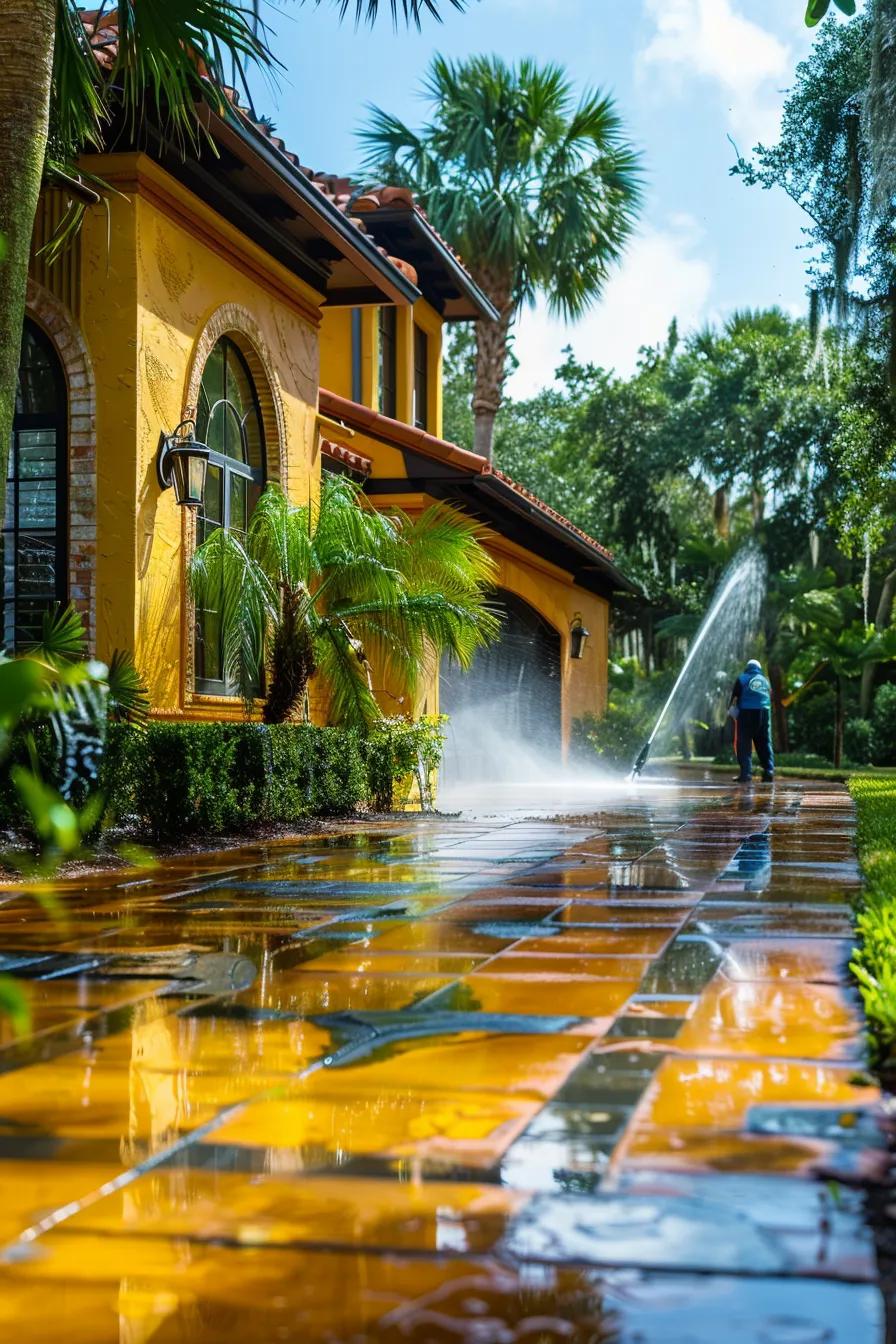
Most Longwood homes take roughly 1.5 to 6 hours to pressure wash. The exact window depends on three main things: how much exterior surface there is, whether the house is one or two stories, and how bad the mold, algae, or pollen buildup is — common issues in Central Florida. That range also reflects differences in cleaning method (soft wash versus high-pressure rinse), set‑up and safety precautions, and add‑ons like driveway or roof soft washing. Below, we break down the drivers behind those ranges, give square‑foot/time examples for one- and two‑story homes, and share homeowner steps that can shorten on‑site time. The article is organized into seven clear sections: key time drivers, average times for common home types (practical table included), how materials affect timing (materials/time table), pro vs. DIY comparisons, prep tips, and a concise Q&A. Understanding these points helps Longwood homeowners plan schedules, compare quotes, and know when calling a professional for pressure washing in Longwood FL saves time and risk.
What Are the Key Factors Affecting Pressure Washing Time for Longwood Homes?
How long a job takes usually comes down to a handful of predictable variables: total exterior surface area, vertical complexity (stories and access), and how severe the biological or pollen buildup is. Square footage sets the baseline workload, second stories or tricky access add ladder and safety time, and heavy algae or mold increases pre‑treatment and dwell time when using soft‑wash biocides. Knowing these factors ahead of time lets you book the right length of appointment and compare quotes more confidently. Below is a short, prioritized list of the biggest time drivers for Longwood jobs.
Common time drivers for Longwood home pressure washing:
- House size and stories: Bigger footprints and higher walls mean more passes and setup.
- Dirt and bio‑growth level: Heavy mold or algae needs pre‑treatment and longer dwell times.
- Surface material and method: Soft washing is gentler but takes longer than a simple high‑pressure rinse.
- Scope and extras: Roof soft washing, gutters, and pavers are separate time blocks.
- Crew experience and equipment: Skilled teams with truck‑mount gear move faster and cleaner.
These factors compound each other: a large, two‑story house with heavy algae multiplies baseline time rather than just tacking on a little extra. That’s why accurate estimates usually require a photo or on‑site look.
How Does House Size and Number of Stories Impact Cleaning Duration?

Square footage equals surface area to clean, so time grows roughly with size — but vertical complexity changes the math. A 1,500 sq ft one‑story is usually much quicker than a 2,500 sq ft two‑story because ladders, extension wands, or lifts slow work and add safety steps. Vertical work often needs a second crew member, more set‑up, and slower transitions between heights. Landscaping, tight eaves, or ornate trim also slow progress because techs take care to protect plants and details. Expect lower efficiency per square foot as complexity increases; in practice, two‑story homes sit in a different planning category than single‑story properties.
How Do Mold, Algae, and Dirt Levels in Florida Affect Pressure Washing Time?
Florida’s humidity and seasonal pollen drive faster biological growth, so many Longwood homes need soft‑wash pre‑treatment with an appropriate biocide and a dwell period — which adds real time to the job. Light grime can often be rinsed away in a single pass, but moderate to heavy algae typically requires chemical application and about 10–20 minutes of dwell per section before rinsing. Spot treatments and repeat passes for stubborn stains add more time, especially on porous surfaces that hold spores. During peak pollen (spring) and wet months (summer), crews commonly plan longer appointments; scheduling outside those spikes shortens on‑site time.
What Is the Average Time to Pressure Wash Different Types of Longwood Homes?
Average times depend on home type, siding, and baseline conditions (standard siding, moderate grime, and a trained two‑person crew). The table below gives straightforward time ranges for common Longwood homes so you can match your property to an expected appointment window. These estimates assume normal driveway access and no major add‑ons like roof soft washing or paver sealing.
Typical time ranges by home type and size:
Use these ranges as planning windows — actual times change with grime levels, roof access, and extra services. They’re handy for booking flexible time slots, arranging parking, and being available for the crew’s start and finish.
After you have those expectations, many homeowners want to know how materials and add‑on services shift the clock. The next section explains how different surfaces and extras affect scheduling.
(Local note: Professional crews compress these ranges with experience and teamwork. Ragin Cajun Soft Wash is a family‑owned Longwood exterior cleaning company serving greater Orlando; we tailor methods to each surface, offer free estimates (usually within 12 hours, often much sooner), and send insured technicians who help reduce on‑site time and risk.)
How Long Does It Take to Pressure Wash a 1-Story Home in Longwood?
For a 1‑story Longwood home, time ranges are compact. A 1,500–2,000 sq ft house with standard vinyl siding and light to moderate grime typically takes about 2–3 hours for a full exterior wash. That includes setup, chemical application if needed, rinsing, and small spot treatments. Easy access and cleared areas push you toward the low end; heavy staining, lots of trim detail, or extra services like window cleaning or paver work add an hour or more. Clearing obstructions and confirming access ahead of time helps crews move straight through the job.
What Is the Typical Duration for Pressure Washing a 2-Story Longwood Home?
Two‑story Longwood homes usually need more time — commonly 3–5 hours depending on square footage and grime. Ladders, scaffolds, or extension wands require extra setup and safety checks. Soft washing second‑story areas needs careful application and longer dwell in algae‑heavy spots, and techs often divide the house into sections to keep chemical coverage even — that adds scheduling overhead. Securing harnesses or using lifts, and managing complex rooflines, may require a second technician to keep efficiency up. Planning for a longer window prevents rushed work and reduces the risk of missed spots or surface damage.
How Do Surface Materials and Additional Services Influence Pressure Washing Duration?
Different materials change both method and timing: porous or textured surfaces take more attention than smooth siding, and delicate surfaces require a soft wash that focuses on safety over speed. Material type dictates nozzle choice, pressure settings, and chemical selection — vinyl or metal siding cleans quickly, stucco and brick need lower pressure and extra rinsing, and roof shingles commonly need soft washing with dwell time to remove growth. The table below summarizes surface types, recommended cleaning methods, and relative time impacts so you can compare at a glance.
Surface materials and time impact:
Knowing these differences helps you decide which surfaces to include in one visit and which to book separately for safety and efficiency.
(Service note: Roof soft washing and paver sealing are usually quoted and scheduled separately because they need distinct prep and dwell times. Ragin Cajun Soft Wash offers roof soft washing, paver sealing, gutter cleaning, and window cleaning — our crews match methods to each material to protect surfaces while keeping total job time reasonable.)
How Does Cleaning Different Exterior Surfaces Affect Time?
Porosity and texture change the approach: smooth vinyl or painted surfaces respond quickly to a calibrated soft wash or low‑pressure rinse, while porous brick and stucco need longer chemical contact and more thorough rinsing to pull out embedded stains. Concrete and pavers clean faster per square foot with higher pressure, but large paved areas can still take significant time. Fragile surfaces, like older stucco or weathered trim, force techs to slow down and use gentler methods to avoid damage, which increases total duration.
How Do Extra Services Like Driveways and Roof Soft Washing Extend Job Time?
Adding driveways, patios, or roof work usually increases on‑site time because each service uses different gear, prep, and drying or dwell windows. A typical two‑car driveway might add 1–3 hours depending on size and staining; roof soft washing often requires an extra 2–4 hours for chemical application and dwell to safely remove moss or algae. Paver sealing extends the schedule further because the surface needs to dry completely after cleaning and then be sealed, sometimes on a separate day for best results. Combining services can be efficient if the crew has the right equipment, but many pros recommend separate appointments to meet drying and treatment needs.
What Are the Time Differences Between Professional and DIY Pressure Washing?
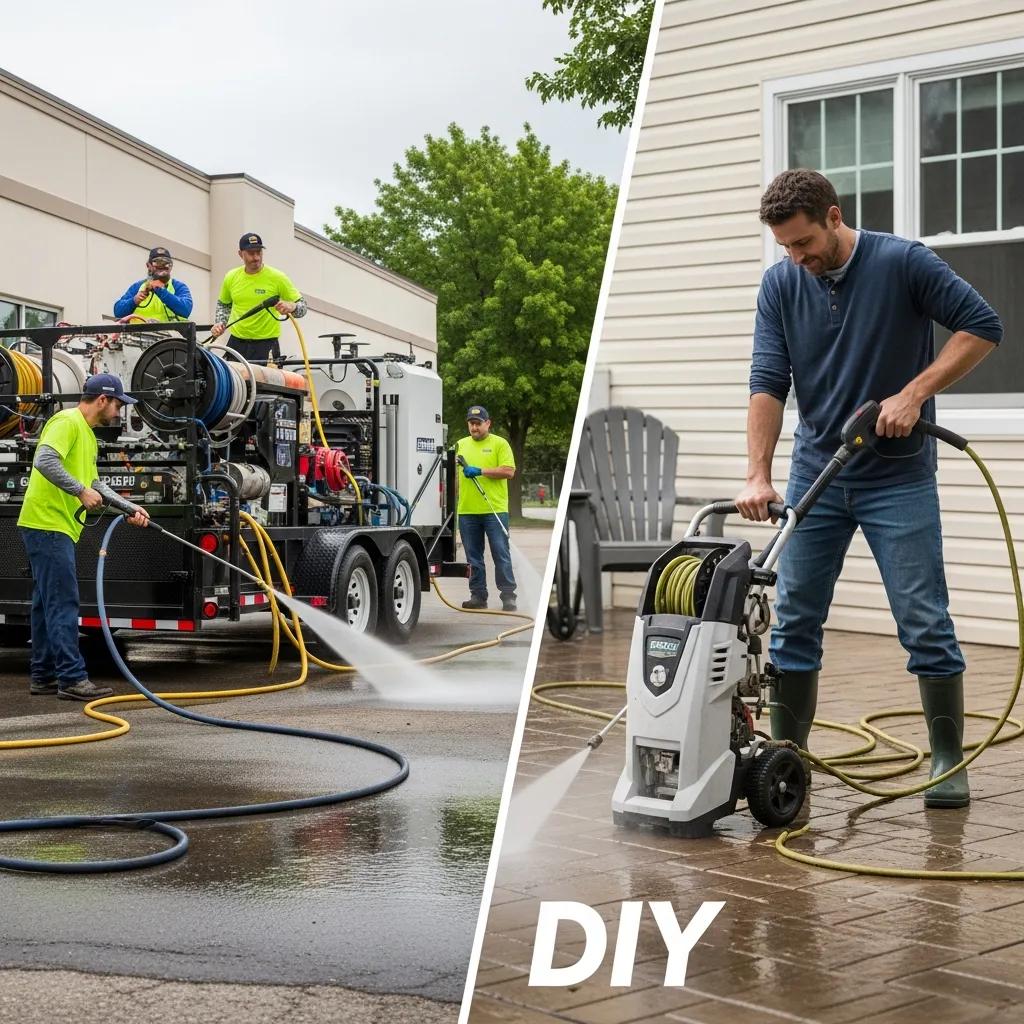
Professionals save time through coordinated workflows, calibrated equipment, and experience that reduces repeated passes. A trained two‑person crew with truck‑mounted systems can often finish a job in half to two‑thirds of the time a DIYer spends. Pros also cut down on rework and prevent surface damage — mistakes that can cost extra time and money for homeowners trying to fix them. The trade‑off is cost versus time: DIY can save money on a one‑off job but usually multiplies time and risk, while pros deliver faster, more consistent results and follow safety protocols. The table below summarizes expected time, crew and equipment, and risk differences.
Why Is Professional Pressure Washing Faster and More Effective?
Pros streamline every step: they pre‑assess surfaces, stage gear, split tasks between technicians, and use calibrated pressures and chemical mixes so each pass does the job right the first time. Workflows like simultaneous application and rinsing, use of extension wands and lifts, and precise dwell‑time knowledge speed results while protecting materials. Experience prevents common DIY errors — for example, using too much pressure on delicate siding — which both slows the job and risks costly repairs. The bottom line: pros deliver faster, consistent results that avoid repeat visits.
How Much Longer Does DIY Pressure Washing Typically Take?
DIY jobs normally take 1.5 to 3 times longer than a professional crew. One person handles setup, chemical mixing, learning curves, and multiple passes needed to reach pro‑quality results. Time is lost to figuring out pressure settings, swapping nozzles, stopping to protect plants, and reapplying treatments that pros complete in coordinated steps. Consumer rental units also often have lower flow rates, longer rinse cycles, and require more manual scrubbing — all of which add hours. For example, a 2,000 sq ft house pros might clean in 2–4 hours could take a DIYer 4–8+ hours including breaks and troubleshooting.
How Can Homeowners Prepare to Minimize Pressure Washing Time?
Good homeowner prep cuts crew setup and transition time and can shave minutes or hours off the appointment. Simple steps like moving cars, clearing patio furniture, trimming low branches, and securing fragile décor let techs start immediately and maintain steady progress. Making water access available and clearing parking for the service vehicle reduces time spent walking gear and avoids interruptions. Below is a short checklist you can follow before the crew arrives to speed the visit and shorten total job time.
Pre-service checklist to speed the process:
- Clear work areas: Remove furniture, planters, toys, and loose items from patios and driveways.
- Trim vegetation: Cut back low branches and secure shrubs that block access or risk overspray.
- Provide access: Leave gate keys or access codes and move vehicles so the truck can park close.
- Protect valuables: Cover or relocate sensitive items and point out any fragile landscaping or finishes.
Following these steps reduces interruptions and helps crews finish within the lower end of estimated time windows. Regular maintenance also cuts down future job time by preventing heavy buildup.
What Pre-Cleaning Steps Help Speed Up the Process?
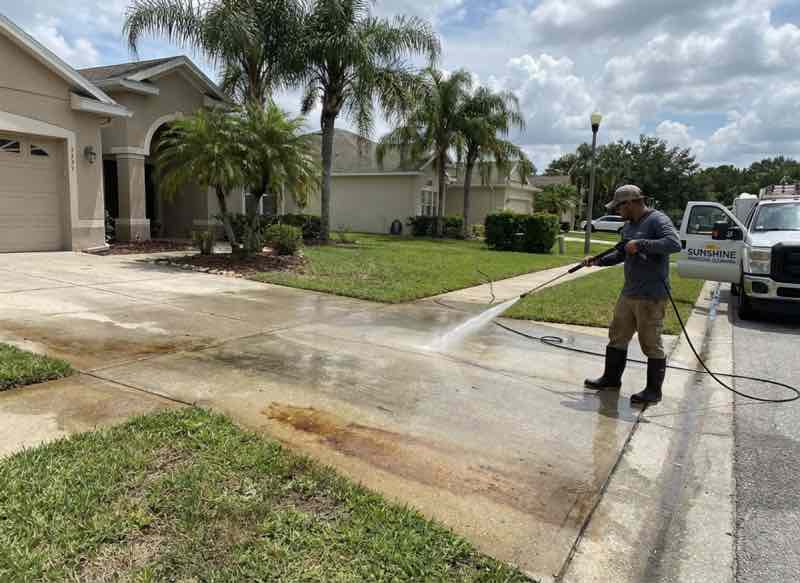
Pre‑cleaning is about removing obstacles so the crew doesn’t stop and adapt on site. Move vehicles, clear patios, and trim encroaching plants so technicians can reach walls and paved areas without repeated repositioning. Flag delicate garden beds and tell the crew about known trouble spots so they can sequence work efficiently. These small prep steps create a smooth arrival‑to‑departure workflow and often shave significant time off the appointment.
How Does Scheduling Regular Cleaning Affect Future Pressure Washing Time?
Regular cleaning reduces grime and biological growth, so each follow‑up visit needs less chemical dwell and fewer aggressive passes. In Longwood’s climate, annual or twice‑a‑year maintenance prevents the heavy algae and pollen that can add hours to deep‑clean visits. A steady schedule also helps crews optimize routes and equipment staging across multiple jobs, which indirectly shortens on‑site time. Over time, routine upkeep moves your property from deep cleans to quick touch‑ups, saving time and protecting materials.
What Are the Most Common Questions About Pressure Washing Duration in Longwood?
Here are direct answers to common homeowner questions so you can get quick timing guidance and know when to request a personalized estimate. Each answer includes the typical range and the main variable that might change it. If you want an exact appointment length, the next best step is a photo‑based or on‑site estimate.
Common quick tips for timing and planning:
- Ask for a time window instead of a hard end time to allow for realistic scheduling.
- Combine compatible services in one visit if the crew has the right equipment to save overall time.
- Avoid peak pollen months when practical for quicker and cleaner results.
How Long Does It Take to Pressure Wash a 2000 Sq Ft House in Longwood?
For a 2,000 sq ft Longwood house with moderate grime, expect about 2–4 hours for a professional two‑person crew doing a house wash and light rinsing of nearby hardscapes. Time shifts if the home is two stories, has heavy algae or mold needing longer dwell, or if you add services like roof soft washing or extensive driveway cleaning. For DIY, plan on 1.5–3× that time because of equipment limits and the learning curve. For an exact appointment length, request a free photo‑based or on‑site estimate that factors in access and surface condition.
Is It Worth It to Pressure Wash Your House Regularly?
Yes — routine pressure washing is a smart investment in Longwood. It prevents biological buildup that speeds material wear, improves curb appeal, and typically lowers future cleaning time and cost. Preventative maintenance reduces the need for aggressive treatments that take longer and risk finishes. In our area, annual or biannual cleanings are common, with adjustments for exposure and nearby vegetation. Regular scheduling also simplifies logistics and usually delivers shorter, more predictable appointment windows.
Ragin Cajun Soft Wash is a local, family‑owned Longwood exterior cleaning company serving greater Orlando. We focus on tailored cleaning methods, insured technicians, clear pricing, and fast responses — homeowners can request a free estimate with turnaround typically within 12 hours, often in minutes.
Conclusion
Knowing how long pressure washing will take helps you plan your day, compare quotes, and choose the right approach. House size, surface materials, and grime level are the biggest timing factors — and regular maintenance keeps future visits quicker and less expensive. If you want a personalized time estimate for your home, contact Ragin Cajun Soft Wash and we’ll provide a tailored quote and scheduling window.