
How Often Should You Pressure Wash Your Driveway in Longwood?
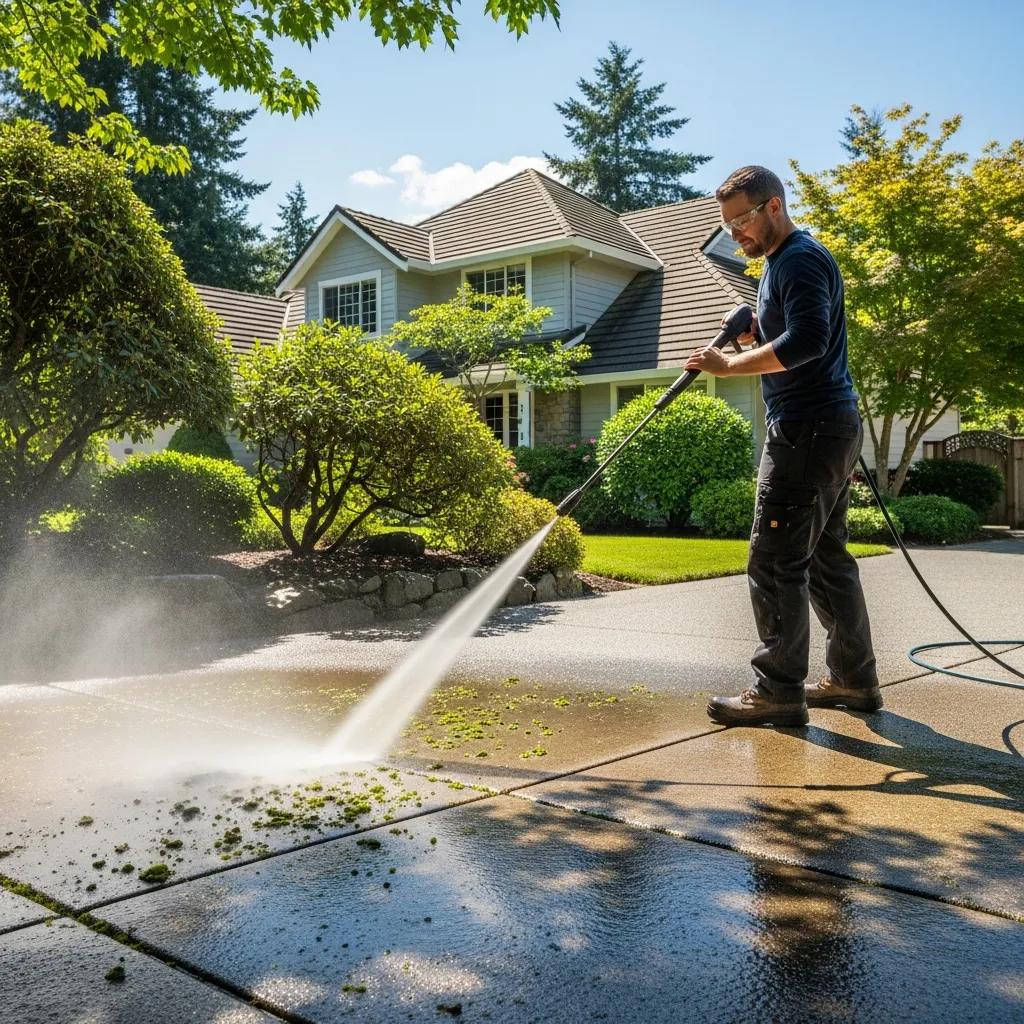
Driveway care in Longwood calls for a local, climate-aware plan — our humid, subtropical weather speeds up algae, mildew, pollen buildup, and surface wear. This guide lays out how often most Longwood driveways should be pressure washed, why those intervals matter (both biological and mechanical reasons), and the quick signs that mean you should book a cleaning sooner. You’ll get a practical baseline frequency, how trees, traffic, and surface material change that schedule, and the best seasonal timing to get lasting results without harming the surface. We also cover safe DIY steps versus when a pro will save time and extend results, plus simple next steps if you want a custom assessment for your property.
What Is the Recommended Frequency for Pressure Washing Driveways in Longwood?
Most Longwood driveways do well with a thorough cleaning every 6–12 months, adjusted for humidity, shade, and how much traffic the driveway sees. That range keeps algae, mildew, and pollen from taking hold while avoiding over-cleaning that can damage the surface. Treat 6–12 months as your starting point: if you see steady green or black biofilm, oil stains, or a slick surface, plan for closer to every 6 months to restore safety and curb appeal.
Because Longwood has many micro-climates and a variety of driveway materials, a short professional inspection can pin down the best schedule for your home. Ragin Cajun Soft Wash — a local, family-owned Longwood team — recommends this 6–12 month baseline and offers free estimates to tailor intervals based on exposure, material, and condition.
How Does Longwood’s Humid Climate Affect Driveway Cleaning Frequency?
Longwood’s humid subtropical weather speeds mold, mildew, and algae growth because frequent moisture keeps porous materials damp. That persistent moisture and shade let spores germinate and form biofilm that stains concrete, pavers, and asphalt and makes surfaces slippery. Shaded driveways under heavy tree cover usually need cleaning closer to every 6 months rather than once a year to break the growth cycle. Knowing the climate mechanism — moisture retention plus organic debris — helps homeowners prioritize shaded areas and sections under eaves for more frequent attention.
This climate factor also affects timing: washing after major pollen events or before extended wet periods helps surfaces dry properly and slows regrowth. Understanding how humidity, rain, and local vegetation interact points to simple homeowner checks that tell you when to act.
What Signs Indicate It’s Time to Pressure Wash Your Driveway?
Watch for clear, testable signs that call for cleaning now rather than later. Look for green or black streaks, a dull filmy sheen that won’t rinse off, or a surface that feels slippery after light rain — those are classic signs of algae or mildew trapping moisture and wearing the surface. Persistent oil and tire marks are a separate issue; oil soaks into pores and attracts dirt, so it often needs targeted cleaners and a quicker return-to-service schedule. If stains spread, traction drops, or spot treatments don’t help, escalate to a full cleaning or call a pro.
Track changes over a few weeks, act when problems get worse or safety is affected, and bring in a specialist if stains won’t budge with safe DIY options. Regular condition checks help you refine the 6–12 month baseline for your driveway.
Which Factors Influence How Often You Should Clean Your Driveway in Longwood?

Several linked factors determine the right cleaning cadence. Local climate and humidity fuel biological growth; nearby trees and shade slow drying; vehicle traffic and oil drips accelerate staining; and material type plus age decide which cleaning methods are safe. In short: humidity and shade → bio growth; traffic and oil → embedded grime; porous or older surfaces → gentler methods. Evaluating these together lets you convert the 6–12 month guideline into a maintenance plan that preserves appearance and reduces damage risk.
Use the quick comparison below to match your driveway’s main conditions to a recommended frequency.
This table shows how dominant conditions push your schedule toward more frequent cleaning. Next, we look closer at vegetation and shade and how to reduce cleaning needs.
How Do Surrounding Vegetation and Shade Impact Driveway Maintenance?
Trees and landscaping increase leaf litter, pollen, sap, and shade — all of which speed organic staining and keep surfaces damp. Sap and pollen form sticky films that trap dirt and invite algae, while constant shade slows drying. Simple fixes — trim overhangs, keep gutters clear, and remove leaf debris — cut down organic buildup and can move a driveway from semiannual care closer to an annual schedule. Small homeowner actions, like seasonal cleanups or gutter guards, reduce how often professional pressure washing is needed.
Knowing where organic material accumulates helps you target problem zones and reduce overall maintenance.
How Does Driveway Traffic and Usage Affect Cleaning Needs?
Heavy vehicle use brings oil spots, tire marks, and embedded grime faster than a lightly used drive. Properties with multiple daily vehicles, deliveries, or workshop activity often need cleaning every 6 months or sooner; a single-car, lightly used driveway may stretch to 9–12 months. Pedestrian traffic, bikes, and play move dirt in different ways, so consider both vehicle and foot use when setting your schedule. Treat oil stains quickly with degreasers or professional stain removal to avoid long-term discoloration and reduce the need for aggressive, frequent cleanings.
Knowing how you use the driveway gives a practical way to refine frequency and choose the right cleaning method for your surface.
How Does Driveway Material and Age Determine Cleaning Frequency?
Concrete, pavers, and asphalt all react differently to pressure, detergents, and repeat cleanings; older surfaces usually need gentler approaches because of micro-cracks and worn binders. Concrete is porous and benefits from controlled PSI and proper detergents to lift stains without etching; pavers may need specific cleaners and often do well with sealing after cleaning; asphalt and aged surfaces should use softer washing to avoid stripping binding oils. Match the method — high pressure, surface cleaners, or soft wash — to material and age to balance a deep clean with surface preservation.
A quick diagnostic — check surface condition, traffic, and nearby vegetation — helps match frequency and method to your driveway. That’s the approach we use at Ragin Cajun Soft Wash when we recommend tailored intervals and treatments.
What Are the Benefits of Regular Driveway Pressure Washing in Longwood?
Regular cleaning does more than improve looks: it removes slippery biofilm, extends surface life by getting rid of harmful contaminants, and boosts curb appeal — which supports property value.
Mechanically, pressure washing strips away organic growth and oils that hold moisture and cause surface breakdown; chemically, the right cleaners dissolve stains without leaving residues that encourage regrowth. For Longwood homeowners, that means fewer repairs, reduced slip risk, and a stronger first impression for visitors or buyers. Routine maintenance is preventative care — usually far cheaper than repairing or replacing badly stained or degraded surfaces.
Use the table below to match homeowner priorities with the practical outcomes of regular cleaning.
These benefits explain why a steady cleaning rhythm is a smart, cost-effective choice. Next we cover curb appeal and resale impact in more detail.
How Does Pressure Washing Improve Curb Appeal and Property Value?
A freshly cleaned driveway sends a strong message: the property is cared for. Removing stains, tire marks, and biological discoloration restores contrast, frames landscaping, and makes the whole exterior look sharper — which can raise perceived value. Sellers often schedule a professional clean before listing because it boosts curb presentation and can improve neighborhood comparables. In practical terms: regular driveway cleaning is a relatively low-cost action with a big visual payoff for marketing and resale.
Keeping that visual standard also reduces the need for major repairs later, tying into the safety and durability benefits we already covered.
How Does Regular Cleaning Enhance Safety and Prevent Damage?
Routine cleaning removes slippery algae and biofilm that create walking hazards, especially in shaded or often-wet areas. Clearing contaminants that trap moisture also reduces freeze-thaw stress where relevant and slows pitting and spalling beneath surface layers. Regular maintenance prevents small issues from becoming structural problems that require costly repair or replacement. For homeowners, it’s a practical risk-management move: fewer accidents, preserved materials, and steady curb appeal with less intensive upkeep over time.
Knowing how these protective mechanics work helps you pick the right timing and method to maximize lifespan without overdoing treatments.
When Is the Best Time of Year to Pressure Wash Your Driveway in Longwood?
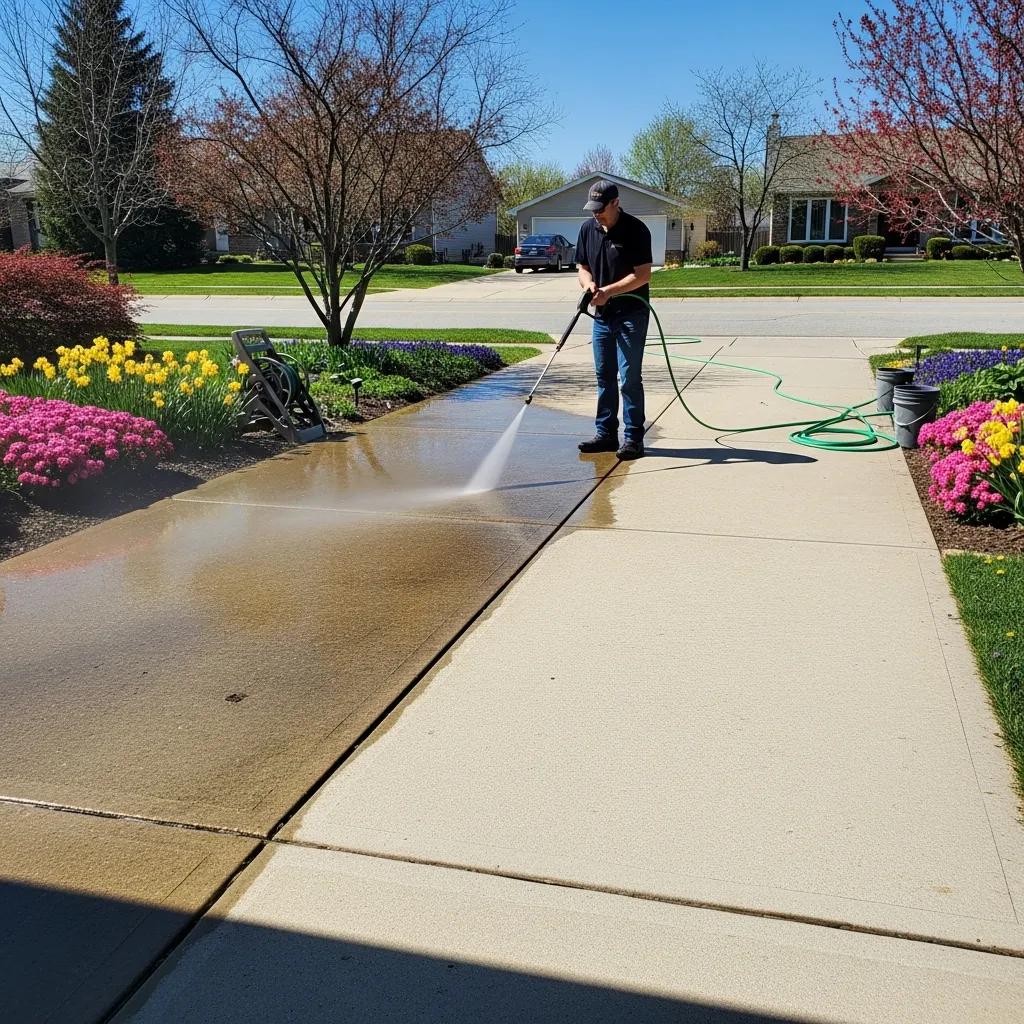
Seasonal timing makes a big difference: choose days that give good drying and avoid peak pollen or heavy rain. In Longwood, spring and fall usually balance temperature and rainfall well — spring clears winter debris and pollen, and fall removes summer buildup while prepping surfaces for wetter months. Scheduling after major pollen events and on moderate-temperature days improves drying and slows regrowth. Seasonal planning also lets you coordinate follow-up services, like sealing pavers after a fall clean, to extend protection through the next cycle.
Use the compact seasonal table below to plan cleaning around common Longwood issues.
This seasonal plan helps you prioritize washes and time preventive measures like sealing.
Why Is Spring Ideal for Driveway Cleaning in Longwood?
Spring comes after winter storms and heavy pollen and usually offers moderate temperatures that help surfaces dry without stressing cleaners or materials. Removing pollen and debris in spring prevents those materials from embedding during the high-growth months and makes it easier to keep surfaces looking good through summer. A spring clean also prepares driveways for landscaping or outdoor projects, cutting down on mid-summer remediation.
Cleaning in spring sets you up to reassess by late summer or early fall if conditions call for another treatment.
What Makes Fall a Good Season for Pressure Washing Driveways?
Fall removes the grime that builds up over summer and prepares surfaces for cooler, wetter months when algae and mildew can take hold. Cleaning in autumn lowers the chance that summer growth turns into long-term stains and gives you a window to apply protective treatments, like paver sealing, while temperatures still allow proper curing. Coordinating cleaning and sealing in fall extends surface life and reduces year-round maintenance pressure.
That seasonal approach also helps homeowners decide whether to DIY or hire pros for deeper or protective work.
Why Should You Choose Professional Driveway Pressure Washing Services in Longwood?
Pros bring trained technicians, calibrated equipment, and methods matched to each surface — all of which reduce the risk of damage and deliver longer-lasting results than many DIY attempts. Too much pressure, the wrong nozzle, or unsuitable chemicals can etch concrete, strip sealants, or harm landscaping; professionals balance pressure, cleaners, and technique to remove contaminants without compromising the surface. In Longwood’s humid environment, pros also manage containment and runoff to limit environmental impact while giving a thorough clean. For homeowners who want reliable, safe, and lasting results, hiring a trusted local company is often the most cost-effective choice.
What Expertise and Equipment Does Ragin Cajun Soft Wash Provide?
Ragin Cajun Soft Wash is a Longwood-based, family-owned pressure washing and soft washing team serving Central Florida and the Orlando area. We match cleaning style — pressure or soft wash — to each surface, use experienced technicians, and offer eco-friendlier options. With fast response times and many five-star reviews, we handle driveways, pavers, and stain-specific treatments, and we offer free estimates to recommend a schedule tailored to your driveway. Our local experience helps ensure methods and timing suit Longwood’s climate and neighborhood conditions, which matters for older or delicate surfaces.
Hiring a local pro means you get methods and timing tuned for Longwood — and that reduces the chance of accidental damage from one-size-fits-all approaches.
What Are the Risks of DIY Pressure Washing for Longwood Driveways?
DIY mistakes are common: too much pressure can etch concrete, the wrong nozzle or angle can wash joint sand out of pavers, and improper detergents can harm plants while failing to remove embedded oil. It’s easy to underestimate how PSI, distance, and nozzle choice change results, or to misuse chemicals without correct dilution and rinsing. Repeated aggressive DIY cleaning on older, porous surfaces can strip protective layers and speed deterioration. Safer DIY options include gentle rinsing, spot-treating oil with the right degreasers, and calling a pro for stubborn or delicate jobs.
When you’re unsure, a professional diagnostic — checking surface age, material, and contamination — helps avoid DIY mistakes and sets a preventive maintenance plan.
What Are the Most Common Questions About Driveway Pressure Washing Frequency in Longwood?
Homeowners often want short, practical answers about how often to clean and what’s risky. The basic guidance for Longwood’s humid climate is a 6–12 month baseline, adjusted for shade, traffic, and material type. The quick answers below give clear next steps so you can decide when to act or monitor, improving both safety and curb appeal.
How Often Should You Pressure Wash a Driveway in Florida’s Humid Climate?
Answer: Plan for every 6–12 months as a baseline, moving toward six months for shaded, high-traffic, or oil-stained surfaces. Humidity speeds algae and mildew growth because surfaces stay damp longer, so shaded or heavily contaminated driveways need more frequent attention. Monitor seasonally and schedule cleans after major pollen events or before wet seasons for best results. This approach balances safety, looks, and surface care without unnecessary over-cleaning.
Use this as a planning framework and adjust after checking vegetation, usage, and surface material.
Can You Overdo Pressure Washing Your Driveway?
Yes — too much pressure or too-frequent aggressive cleaning can damage binders, strip sealants, and etch concrete, which speeds long-term wear instead of preventing it. Use the lowest effective PSI, the right nozzles, and detergents made for the material, and avoid intensive cleanings more than once per quarter for most surfaces. For older or delicate driveways, choose softer methods or call a pro to prevent cumulative damage. Signs of over-cleaning include rough patches, greater porosity, or loss of sealant sheen — those are cues to switch to gentler maintenance.
Knowing these risks helps you set sensible upper and lower limits for cleaning frequency.
What Happens If You Don’t Pressure Wash Your Driveway Often Enough?
Skip routine cleaning and biological growth, oil stains, and embedded grime can turn into permanent discoloration and material weakening that are costly to fix. Consequences include higher slip risk from algae, permanent pitting or staining, and potential HOA or resale issues from poor curb appearance. Contaminants trap moisture and create conditions where binder breakdown accelerates surface failure. Regular maintenance keeps problems cosmetic instead of structural and helps preserve resale value.
Scheduled upkeep is usually far more cost-effective than infrequent, reactive restoration.
How Do Local Longwood Neighborhoods Affect Driveway Cleaning Needs?
Neighborhood micro-climates — proximity to lakes, local tree species, irrigation spray, and nearby shade — change maintenance needs across Longwood. Drives under heavy oak canopy or near irrigation often collect more pollen and organic debris and may need semiannual care, while sun-exposed drives dry faster and may be fine with annual cleaning. Watch local patterns, talk with neighbors, and consider a pro assessment to convert neighborhood observations into a tailored cleaning cadence. Local expertise helps make those adjustments practical and repeatable.
Neighborhood awareness ties back to climate, vegetation, and traffic recommendations and completes a locally tuned maintenance plan.
Conclusion
Regular pressure washing in Longwood keeps driveways looking great and helps them last longer by preventing damage from biological growth and stains. Understanding local climate, vegetation, traffic, and material type lets you build a cleaning schedule that maximizes safety and curb appeal. Monitor your driveway, schedule cleanings when signs appear, and consider a professional assessment for a tailored plan. For personalized recommendations and reliable service, reach out to Ragin Cajun Soft Wash today.