
Should You Buy Your Own Pressure Washer or Hire a Professional Pressure Washing Service?
What a Pressure Washer Actually Does to Your Home's Surfaces
A pressure washer isn't just a garden hose on steroids. These machines push water at anywhere from 1,500 to over 4,000 PSI depending on the unit, and that kind of force does wildly different things depending on what it's hitting. [Source: Pressure Washer Manufacturers' Association, pwma.org]
Here's the thing most guides completely skip: the water itself isn't always what's doing the cleaning. At high pressure, you're relying on mechanical force to break apart dirt, mold, algae, and oxidation. Great. But that force doesn't care whether it's blasting away grime or tearing into your wood grain, your stucco texture, or the mortar between your pavers. It just goes. That's what separates professional exterior pressure washing from a rental unit and a YouTube tutorial — knowing exactly where that force should and shouldn't go.
We pulled up to a job in Longwood last spring. Homeowner had rented a gas-powered unit and gone after their own wood deck. Wrong nozzle. They'd grabbed a zero-degree tip. Left striping across every single board. That kind of damage? You can't reverse it without sanding the whole thing down. Ended up costing more to fix than the original cleaning would have. Way more.
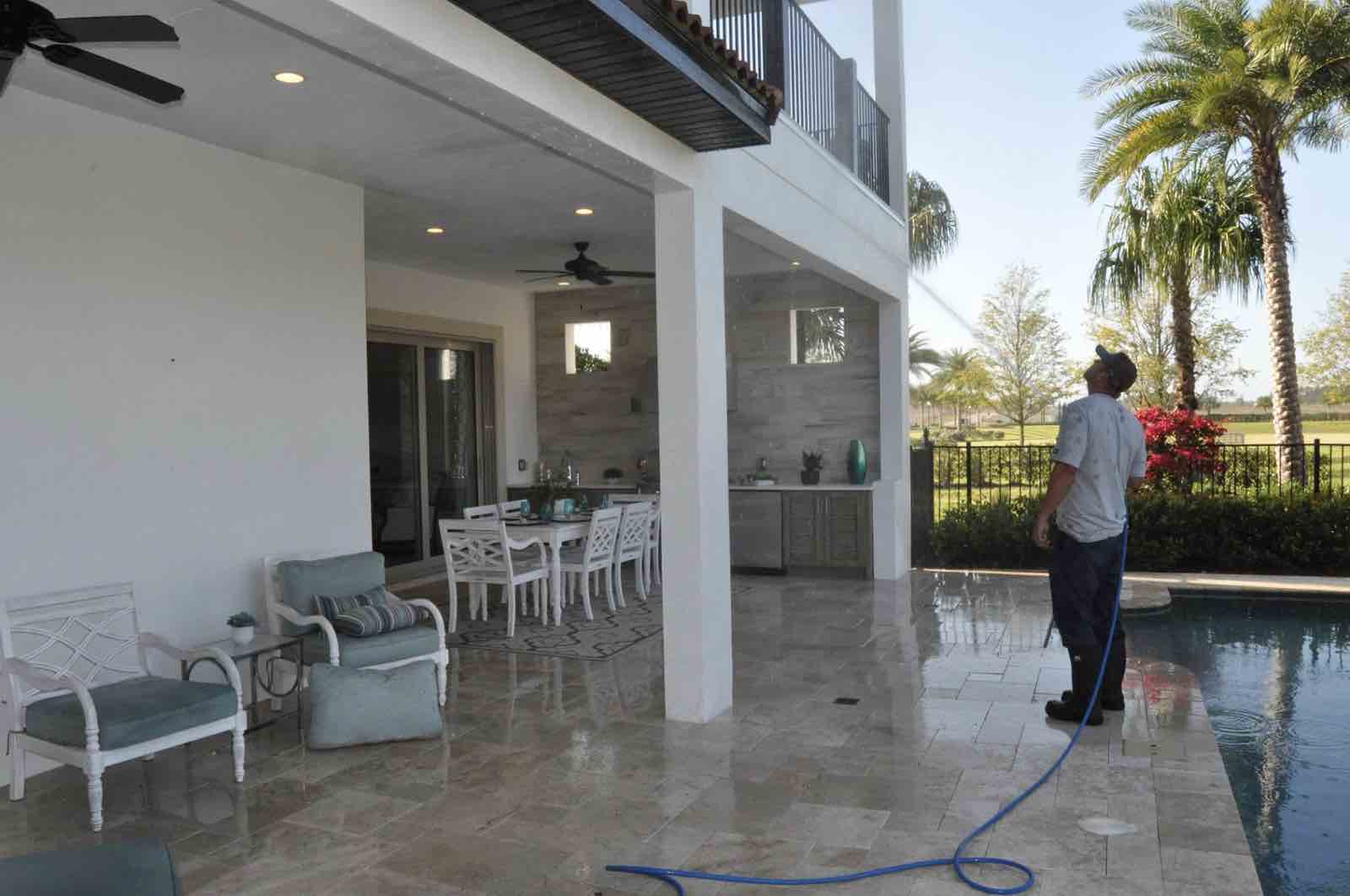
Concrete's the most forgiving surface by far. A wide fan tip at moderate pressure lifts oil stains, algae, and dirt without much risk. But even concrete has its limits. Old driveways with surface cracks can absorb high-pressure water, and that force pushes those cracks wider over time. [Source: Concrete Network, concretenetwork.com]
Brick and mortar? That's where things get serious. Mortar is softer than the brick itself, and high pressure eats it away, especially on older homes where it's already started to degrade. Once mortar starts washing out, you've got a moisture problem on your hands. Water gets behind the surface and causes far bigger damage down the road. We see this constantly on Central Florida homes built in the 1970s and 1980s where the original mortar was a softer mix.
Vinyl siding is tricky in a totally different way. The material holds up fine to pressure washing, but the angle matters more than almost anything else. Spray upward under vinyl siding and you're shoving water directly into your wall cavity. That leads to mold growth inside the wall. The kind you don't find until you smell it or see it bubbling through your drywall. Spray down and at a slight angle on siding. Always. No exceptions.
Roof surfaces are the highest-risk area. Period. Asphalt shingles have a granule coating that protects against UV and weather. High-pressure washing strips those granules right off. The Asphalt Roofing Manufacturers Association says pressure washing can void roofing material performance expectations and shorten shingle life. [Source: Asphalt Roofing Manufacturers Association, asphaltroofing.org] Soft washing (low pressure combined with a cleaning solution) is the correct method. Not a shortcut. It's the right tool for the job.
Wood surfaces like decks, fences, and pergolas sit somewhere in the middle. Pressure washing wood isn't wrong, but the PSI ceiling is much lower than most people expect. Anything above about 1,200 PSI on soft wood like pine can raise the grain and leave a fuzzy, damaged texture. Hardwoods handle a bit more. And the nozzle angle and distance from the surface matter just as much as the pressure setting itself. Most rental units don't come with instructions specific enough to keep a first-timer out of trouble.
Every surface on your home responds differently to pressure and water. Getting it wrong doesn't just mean a dirty spot you missed. It can mean cracked concrete, stripped shingles, blown-out mortar, or water damage inside your walls. That's the foundation of every decision that follows if you're weighing doing this yourself versus calling someone who does it every week.
Buying Your Own Pressure Washer Comes With Real Hidden Costs
You're probably already pricing out machines online. Wondering if buying one makes more sense than calling someone. Fair question. But a lot of homeowners in Longwood look at a pressure washer on a store shelf and think the purchase price is the whole story.
It isn't.

Start with storage. A gas-powered pressure washer isn't small, and you need a dry, covered space to keep it year-round. Florida's humidity will rust metal components and degrade rubber seals if you leave equipment in a shed with poor ventilation. The American Cleaning Institute points out that improper storage is one of the leading causes of premature pressure washer failure . So that's more money out of your pocket before the machine has even paid for itself.
Then there's maintenance. Gas engines need fresh fuel, oil changes, and pump flushing before long storage periods, even here in Central Florida where freezes are rare. Pump oil alone needs changing every 50 hours of use according to most manufacturer guidelines . Most homeowners don't track hours. They just run the machine until something breaks.
We've seen this play out more times than we can count. A homeowner calls us after their DIY unit seized up mid-job. Bought the machine two years ago, used it maybe four times, never changed the pump oil. Not once. The repair cost nearly as much as a professional cleaning would have. That's a frustrating lesson to learn the hard way.
Nozzles and surface cleaners are another cost people skip right past. The basic nozzle that ships with most consumer units is fine for rinsing a car. Not fine for concrete, wood decking, or roof surfaces. A dedicated surface cleaner attachment (the spinning disc tool professionals use on driveways) runs between $40 and $150 depending on quality . Without it, you'll spend three times as long on a driveway and still end up with streaks.
Detergents matter too. Pressure washing without the right chemical mix doesn't remove mold, algae, or oxidation. It just pushes them around. Soft washing solutions, degreasers, and wood brighteners are all separate purchases. Use the wrong chemical on the wrong surface and you can etch concrete, gray out wood, or void the finish on a composite deck. We've been called in to fix exactly that kind of damage on jobs in the Longwood area. Surfaces that looked worse after a DIY attempt than before.
Now here's something most guides won't tell you. The learning curve is real, and it costs money. Pressure washing looks simple. Point and shoot. But the angle of the nozzle, the distance from the surface, the PSI setting, the dwell time for chemicals. All of it matters. Hold a 0-degree nozzle six inches from wood decking and you'll leave furrows in the grain. We've seen it. Homeowner tried to blast away a stain and ended up needing boards replaced entirely.
Consumer-grade machines also top out around 2,000 to 2,800 PSI with lower GPM (gallons per minute) ratings than professional equipment . Thing is, GPM is actually more important than PSI for cleaning efficiency. It's the volume of water doing the work, not just the pressure. Lower GPM means longer job times and less effective rinsing of detergents.
And time isn't free. A driveway, two sidewalks, and a back patio might take a professional crew two hours. The same job with a consumer unit, factoring in setup, technique adjustments, and cleanup, can run four to six hours for someone without experience. That's a full Saturday gone. And the results usually aren't the same.
Need help with should you buy your own pressure washer or hire a professional pressure washing service??
Call now for a free estimate. Ragin Cajun is ready to help.
Professional Pressure Washing Services Deliver Results DIY Equipment Cannot Match
The machine is only part of the equation. We see homeowners in Longwood rent or buy a pressure washer, spend a Saturday afternoon on their driveway, and still end up with streaky concrete and mildew coming back within a few weeks. Equipment matters, sure. But technique, water temperature, chemical knowledge, and surface experience matter just as much. Those things take years to build.
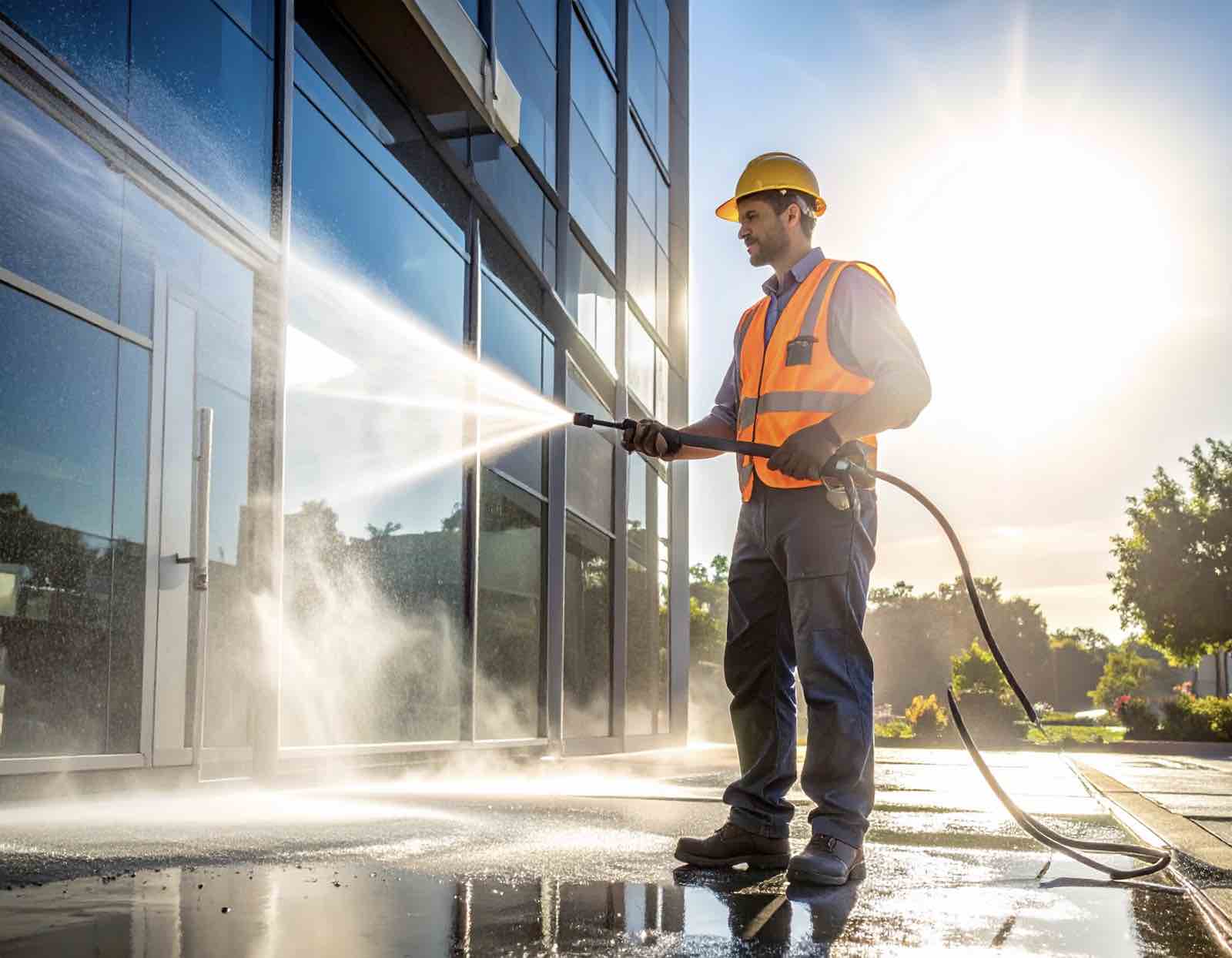
Professional pressure washing equipment operates at a completely different level. Commercial-grade hot water units commonly run between 3,000 and 4,000 PSI with flow rates above 4 GPM, according to the Pressure Washing Resource Association. Consumer machines typically top out around 1,800 to 2,000 PSI with much lower flow rates. That gap in flow rate is the part most people underestimate. More water volume means faster, deeper cleaning. Especially on porous surfaces like concrete driveways and brick pavers.
But raw power isn't the whole story.
Hot water extraction is what actually breaks down oil stains, algae, and oxidation at the molecular level. Most consumer units are cold water only. We pulled a stubborn oil stain off a concrete driveway on Markham Woods Road not long ago. The homeowner had tried twice with a rented unit and barely touched it. One pass with hot water and the right degreaser? Came out clean. Cold water alone wouldn't have done that. Not a chance.
Surface-specific technique is where professionals really separate themselves. Soft washing (lower pressure combined with professional-grade surfactants) is the correct method for roof surfaces, vinyl siding, and painted wood. The Asphalt Roofing Manufacturers Association says high-pressure washing on asphalt shingles can void manufacturer guidelines and accelerate granule loss. A professional knows when to drop the pressure and let chemistry do the work instead. That's not instinct. That's repetition built across hundreds of jobs on Central Florida homes.
Florida's climate makes all of this even more specific. Longwood sits in a subtropical zone where algae, mold, and mildew grow aggressively on exterior surfaces almost year-round. The combination of heat, humidity, and afternoon rain creates near-perfect conditions for biological growth on driveways, pool decks, and siding. The University of Florida IFAS Extension notes that humid subtropical climates like Central Florida accelerate microbial surface growth compared to drier regions. Professionals working in this area use surfactants and post-treatment solutions formulated for that kind of persistent growth. Not just a one-time blast of water.
There's also the matter of surface protection. Concrete, pavers, stucco, and wood all have different tolerances. We've seen DIY jobs strip the finish off composite decking, etch soft limestone pavers, and blow mortar out of brick joints. All from using too much pressure on the wrong surface. A professional assesses each surface before starting. That assessment comes from doing hundreds of jobs, not from reading the pressure washer manual.
Insurance and liability coverage is something most homeowners don't think about until something goes wrong. A licensed pressure washing company carries general liability insurance. If a window cracks or a surface gets damaged during a professional job, you've got recourse. Do it yourself and something breaks? That cost is entirely yours. For anything beyond a basic concrete rinse, calling a pro is the safer bet.
The results professionals deliver aren't just about cleanliness. They're about protecting the investment you've made in your property. A surface cleaned correctly lasts longer, holds sealant better, and resists biological regrowth longer. That difference shows up clearly within the first season after cleaning. If you're dealing with stubborn staining, roof algae, or surfaces that have already been through a rough DIY attempt, give us a call and we'll take a look.
Frequently Asked Questions
Is it cheaper to buy your own pressure washer or hire a professional in Longwood?
Hiring a professional is often the better value when you add up all the real costs of owning a machine. A pressure washer purchase is just the starting point. You still need to pay for storage, maintenance, pump oil changes, nozzle attachments, and detergents. In Longwood's humid climate, improper storage alone can ruin a machine fast.
How does Longwood's climate affect pressure washing decisions?
Longwood's heat and humidity create the perfect conditions for algae, mold, and mildew to grow fast on home surfaces. That means surfaces here need cleaning more often than in drier climates. It also means stored equipment degrades quickly in poorly ventilated sheds. Rubber seals and metal parts break down faster in Florida's moisture. Homes built in the 1970s and 1980s in Central Florida also tend to have softer mortar, which is especially vulnerable to high-pressure washing.
Should I pressure wash my own roof in Longwood?
No, you should not pressure wash your roof yourself. High-pressure washing strips the granule coating off asphalt shingles, which shortens their life and can void performance expectations according to the Asphalt Roofing Manufacturers Association. The correct method is soft washing, which uses low pressure combined with a cleaning solution. This is especially important in Longwood where algae and mold grow quickly on roofs due to the humid climate. Soft washing removes growth without damaging the surface.
Can pressure washing damage my home if I do it myself?
Yes, pressure washing can absolutely damage your home if you use the wrong settings or nozzle. A zero-degree tip on a wood deck will leave permanent striping across every board. High pressure aimed upward under vinyl siding pushes water into your wall cavity and causes mold. Even concrete can crack further under too much force. Most rental units don't come with surface-specific instructions, which makes it easy to cause damage without realizing it until it's too late.
What is a common mistake homeowners make when renting a pressure washer?
The most common mistake is grabbing the wrong nozzle tip for the surface they're cleaning. A zero-degree or narrow-angle tip delivers intense, focused pressure that can strip wood grain, blast out mortar, and damage stucco. Most people don't realize the nozzle matters as much as the PSI setting. Distance from the surface and spray angle are just as important. Without knowing all three, it's easy to cause damage that costs far more to fix than a professional cleaning would have.
When does it actually make sense to hire a professional pressure washing service?
Hiring a professional makes sense any time you're dealing with roof surfaces, older brick, wood decks, or vinyl siding. These surfaces all have a real risk of damage when pressure and nozzle choice are off. It also makes sense if you don't have space to store a machine properly or don't want to deal with maintenance. If you only need cleaning once or twice a year, the total cost of owning a machine rarely beats the value of calling someone who does this work every week.