
What Surfaces Shouldn’t Be Pressure Washed? A Homeowner’s Guide to Avoiding Damage and Choosing Safer Cleaning Methods
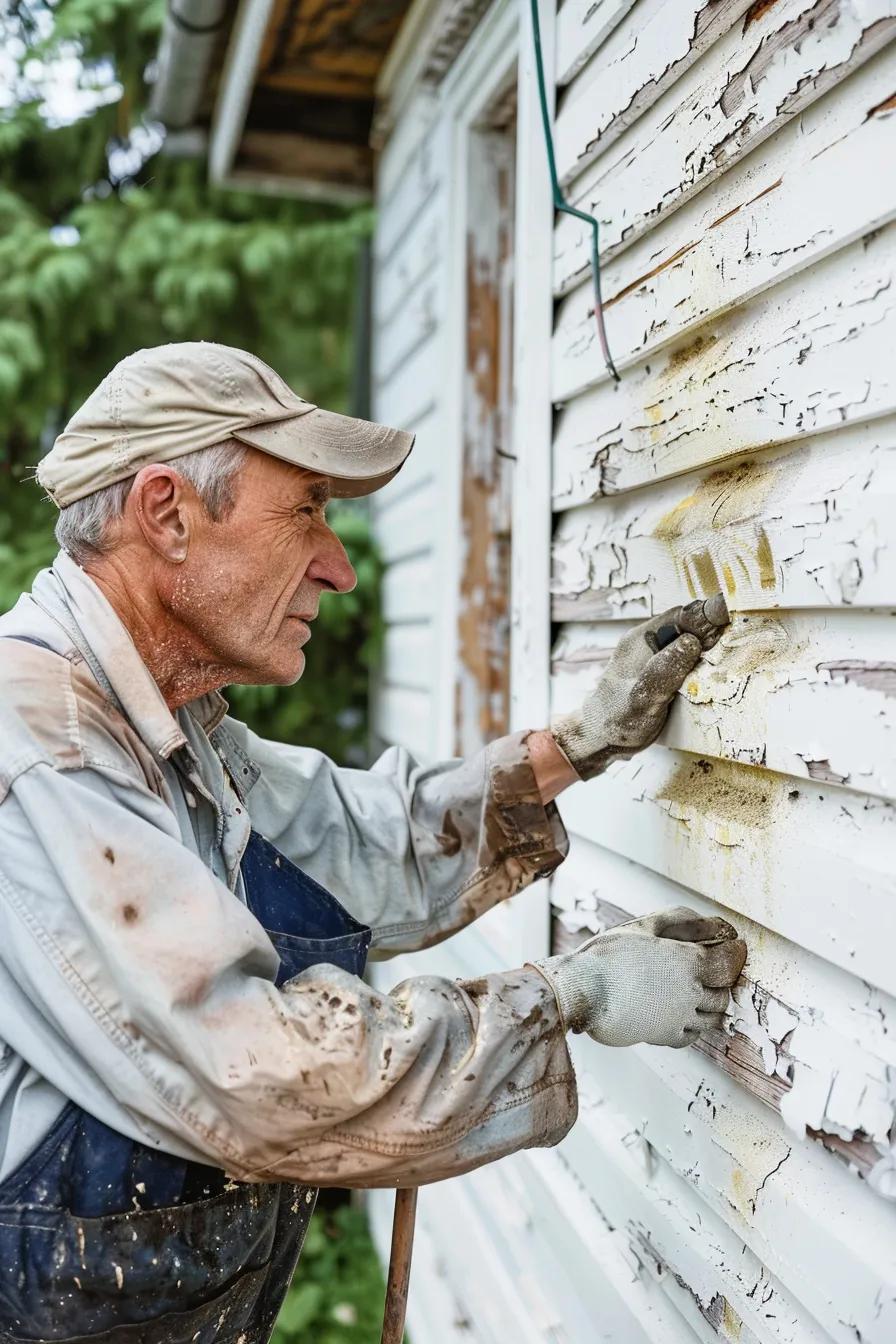
Pressure washing removes dirt, mildew, and stains fast — but not every exterior surface can handle the force. This guide walks you through which surfaces you should avoid blasting with high pressure, how pressure causes specific damage, and safer options—especially soft washing—that protect materials and keep warranties intact. You’ll learn to spot vulnerable areas like asphalt shingles, clay tiles, painted siding, and old masonry; understand damage types such as granule loss and mortar erosion; and follow practical cleaning steps to prevent costly repairs. We also lay out when to DIY and when to call pros, with Florida-focused tips for algae and mildew driven by humidity. Keywords like surfaces not to pressure wash, soft washing vs pressure washing, and roof soft washing are woven in to help homeowners and property managers find the safest path. Read on for step-by-step guidance, comparison charts, and simple checklists to make safe exterior cleaning actionable.
Why some surfaces don’t tolerate pressure washing — risks and how to prevent damage
Pressure cleaning uses concentrated force (PSI) and narrow spray patterns that can chip, abrade, or push water behind building materials. When the spray’s mechanical energy exceeds a material’s adhesion or durability, you get issues like paint flaking, granule loss on shingles, and mortar erosion in masonry. Knowing how pressure damages different surfaces helps you choose low-pressure methods, soft washing, or hand cleaning to remove soils without harming the substrate. Below we break down the main damage types and explain why soft washing is often the safer choice, plus practical steps to protect warranties and the building envelope.
What causes pressure-washing damage on delicate surfaces?
High PSI, narrow nozzles, and close-range spraying concentrate kinetic energy into a small area and strip protective layers from fragile materials. When pressure exceeds what a surface can tolerate, you’ll see paint peel, shingles lose granules, and mortar joints wear away — all of which speed up deterioration and increase leak risk. Water driven behind siding or under flashing can cause hidden rot, mold, and insulation damage that’s expensive to fix. Knowing a surface’s tolerance — its porosity, coating adhesion, and seam integrity — lets you pick a safer cleaning method and avoid long-term problems.
How soft washing provides a safer alternative

Soft washing uses low-pressure rinses combined with targeted detergents and biocides to dissolve organic growth and stains. Instead of brute force, it relies on chemistry and dwell time to loosen mildew, algae, and grime so they rinse away safely. Low-PSI application minimizes mechanical abrasion, preserves finishes and protective layers, and often extends the life of the surface by removing biological growth that would otherwise eat away at materials. Soft washing is the preferred option for porous, coated, or fragile surfaces and helps protect manufacturer warranties on roofs and painted exteriors.
- Soft washing is gentler on materials, giving longer-lasting results with less risk of structural harm.
- It’s ideal for roofs, painted siding, and delicate trim where high pressure would strip protective layers.
- Many homeowners avoid expensive repairs later by choosing soft wash methods up front.
This protection-first approach leads into material-specific guidance on which roofs and walls should never be pressure washed.
Which roof surfaces should you avoid pressure washing? Protect shingles, tiles, and roof life
Roof materials respond very differently to pressure. Asphalt shingles lose protective granules under high pressure, clay and slate tiles can crack or have mortar joints dislodged, and improperly directed spray on metal roofs can strip coatings or cause dents. Pressure washing can lift shingle tabs, remove granules that shield asphalt from UV, and force water beneath roofing layers — all of which shorten roof life and may void manufacturer warranties. In humid places like Florida, algae and black streaks are common; soft washing removes biological stains using low pressure and specialty cleansers so shingles and tiles stay protected. Watch for visible granule loss, lifted tabs, cracked tiles, or persistent staining — those are signs to choose soft washing over high-pressure cleaning.
Why pressure washing damages roof shingles and tiles
Asphalt shingles rely on mineral granules to protect the asphalt from sun and wear. A high-pressure spray strips those granules and speeds up shingle aging. Lifted tabs and granule loss let water reach underlayment more easily, raising the risk of leaks and structural damage. Clay and slate tiles can crack or become dislodged if hit with impulsive force. Many manufacturers require low-impact cleaning, so aggressive pressure washing can void warranties and lead to replacement costs. Spotting granule loss and lifted tabs early helps you choose soft washing to treat biological growth without compromising the roof’s protection.
When to call a pro for roof soft washing in Orlando
Bring in professionals when you see widespread biological growth (black streaks, moss, or heavy algae), evidence of granule loss, or when the roof area is large or hard to reach. In Central Florida, our humid climate and frequent rain speed algae and mildew return, so certified soft-wash treatments reduce regrowth and protect roofing materials. Experienced technicians choose the right cleaning agents, dwell time, and rinsing techniques to lower the chance of water intrusion and siding damage—especially on two-story homes or steep roofs. Pros also carry insurance and the right equipment for complex or risky jobs.
- Call a pro for widespread black streaks, noticeable granule decline, or steep/inaccessible roofs.
- Professionals use low-pressure systems and biodegradable solutions that limit regrowth and material wear.
- Local climate know‑how lets them tailor soft-wash mixes to Florida’s algae-prone conditions.
Ragin Cajun Soft Wash is a family‑owned exterior cleaning team serving Longwood and greater Orlando. We specialize in roof soft washing and safe cleaning methods designed to remove algae while protecting roofing materials and warranties.
Can you pressure wash vinyl siding and painted surfaces? Safe practices for exterior walls
Vinyl siding and painted exteriors are often damaged by high pressure: panels can warp, paint can strip, and water can be forced into wall cavities — leading to hidden rot and mold. The right approach uses low-pressure rinses, suitable detergents, and test patches to check adhesion before increasing mechanical force. Understanding each material’s weaknesses—vinyl’s expansion and painted surfaces’ coating adhesion—helps you choose a cleaning sequence that preserves the finish and prevents water intrusion. The table below maps common wall materials to typical pressure-washing damage and safer cleaning alternatives.
Different exterior wall materials need tailored cleaning strategies. The table summarizes risk and recommended, lower-impact methods.
Material TypeCommon Damage from High PressurePreventative Cleaning MethodVinyl sidingPanel warping, loosened seams, water driven behind panelsSoft wash or low‑PSI rinse; start with a test patch and use a mild detergentPainted wood / fiber cementPaint chipping, peeling, finish strippingSoft wash with gentle cleaner; stay below recommended PSI and test firstStuccoSurface pitting, veneer displacementChemical cleaning with soft rinse; avoid narrow, high‑pressure nozzlesBrick with mortarMortar erosion, face spallingLow‑pressure detergent wash and brushing; avoid sustained pressure on joints
What happens if you pressure wash vinyl siding?
High‑PSI washing can distort vinyl panels through mechanical and thermal stress, push water past seams into the sheathing, and loosen fasteners or caulking — creating moisture entry points and eventual rot. Warped siding can reduce insulation performance and sometimes requires replacement if the deformation is permanent.
Water trapped behind panels fosters mold and structural damage. A safe protocol starts with a soft-wash solution or a wide‑angle, low‑pressure rinse and an inspection of seams and sealants before using any stronger methods. If damage occurs, dry the area, reseal as needed, and have a professional inspect suspected behind‑siding moisture.
How to clean painted surfaces without chipping or peeling
To clean painted wood, fiber cement, or composite siding without causing flakes or peel, begin with a test patch using low pressure and a mild detergent. Let the cleaner dwell so it loosens dirt, then rinse gently at low PSI. Avoid harsh alkaline or straight‑bleach mixes on failing paint films, and don’t pressure blast old coatings — remove loose paint by hand and repair before using stronger cleaning. If paint is already failing, repainting or substrate repair before cleaning preserves appearance and prevents further coating loss. A chemistry‑first, conservative approach keeps painted surfaces looking great without risking damage.
- Always test a small, inconspicuous area first and adjust based on results.
- Use soft‑wash detergents formulated for painted exteriors.
- Repair loose or failing paint before attempting mechanical cleaning.
Next we cover delicate exterior elements that should never be blasted with high pressure.
Which delicate exterior elements should be avoided by pressure washing? Windows, furniture, and electrical parts
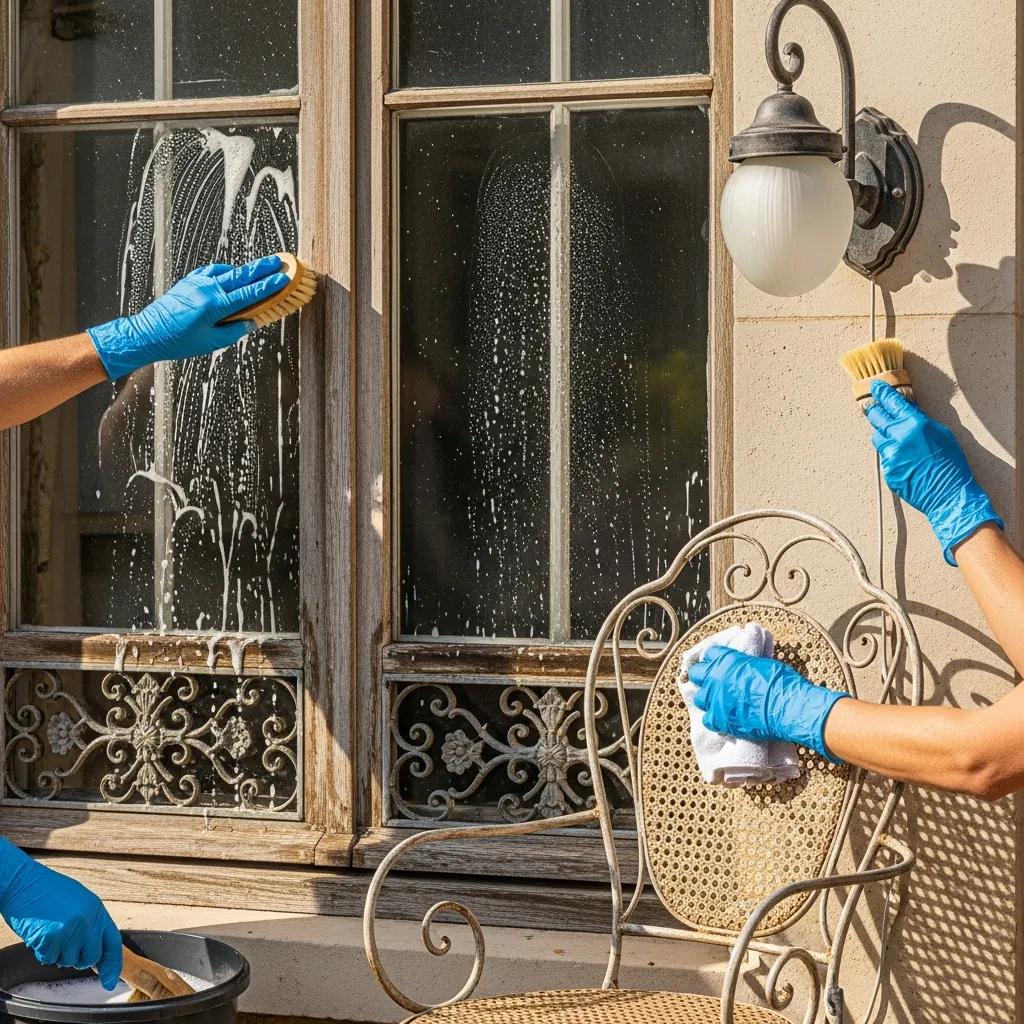
Certain exterior items are fragile or unsafe to spray with pressurized water — window glass and seals, outdoor furniture fabrics and finishes, and electrical meters or fixtures are all at risk. High pressure can crack glass, break seals between panes, tear screens, and soak cushions or wood furniture leading to interior damage. Spraying electrical equipment creates shock and equipment‑failure hazards, so isolation and manual cleaning are essential. The list below outlines common fragile elements and safer cleaning alternatives to preserve function and appearance while protecting people.
- Windows and glass: clean by hand with mild detergent and a squeegee, or use a low‑pressure wide-angle rinse; avoid direct high‑pressure spray.
- Outdoor furniture and cushions: remove fabrics and cushions, hand-scrub frames, and use soft-wash on wicker or painted pieces.
- Electrical fixtures and meters: isolate power if possible, cover fixtures during cleaning, and never spray meter boxes or A/C fins without professional safeguards.
Below are practical steps to protect these elements during an exterior cleaning project.
Why avoid pressure washing windows and glass?
Glass and glazed units can crack from shock or suffer seal failure when hit with a direct high‑pressure spray at the edges. Damaged seals let condensation form between panes and reduce insulation performance, and tiny cracks can grow into costly replacements. Use hand cleaning, soft detergents, and a low‑pressure, wide‑angle rinse to remove grime without stressing seals. Inspect perimeter seals after cleaning to confirm they’re intact. Choosing non‑mechanical cleaning protects both glass and long‑term energy efficiency.
How to safely clean outdoor furniture, screens, and electrical fixtures
Start by cataloging materials and removing soft items like cushions. Clean frames and screens by hand or with a soft wash to avoid tearing and finish abrasion. For screen enclosures, use a soft‑bristle brush, mild detergent, and a low‑pressure rinse to remove pollen and mildew without stretching frames. Cover or isolate electrical fixtures and leave internal cleaning to licensed electricians — never spray into meter boxes, junctions, or compressor fins without professional precautions. These steps protect property and people and limit collateral damage during larger exterior cleanings.
- Remove cushions and clean fabrics separately.
- Use soft brushes and mild solutions on screens and wicker.
- Cover or isolate electrical panels; hire pros for complex electrical areas.
Are there special surfaces that need extra caution? Old brick, mortar, plants, and lead paint
Historic masonry, landscaping, and surfaces with old lead‑based paint need special care. Porous brick and deteriorated mortar erode under high pressure, while plants and soil can be damaged by force and chemical runoff. Disturbing lead paint with pressure washing creates hazardous dust and contaminated runoff — a significant health and environmental risk that requires certified abatement. The tables and lists below break down masonry effects, plant protection best practices, and legal considerations for lead paint so you can make safe, compliant choices.
Note: masonry often needs conservation-minded treatments; powered pressure should generally be avoided on historic or soft joints to prevent irreversible harm.
SurfaceRisk TypeRecommended MethodOld brick and mortarJoint erosion, face spallingGentle chemical cleaners, soft brushing; avoid sustained pressure on jointsPorous stoneSurface pitting, loss of patinaLow‑pressure detergent wash and poultice cleaning when appropriateHistoric veneersMortar displacement, structural weakeningConservation-minded cleaning by masonry specialists
How pressure washing affects old mortar and brick
Old mortar and brick are often softer and more porous than modern materials. Pressure washing can wash away lime and binder from joints, accelerating erosion and weakening the structure. Loss of joint material shortens masonry life and raises repointing or replacement costs, and abrasive cleaning can strip historic patina. Gentle chemical cleaners, soft brushing, and low‑pressure rinses preserve masonry character while removing surface deposits. When needed, masonry specialists use poultices and conservation techniques to protect both structure and appearance.
Why protect plants and landscaping from high pressure
High‑pressure sprays can shred leaves, strip protective cuticles, and drive chemicals into root zones, harming plant health and soil structure. Sensitive landscaping can decline quickly after aggressive cleaning. Chemical runoff from detergents and biocides can also change soil pH and affect nearby water systems. Best practices include pre‑wetting, shielding plants, moving potted items, and using biodegradable or plant‑safe cleaners. Protecting landscaping keeps your curb appeal intact and reduces ecological impact.
When is pressure washing unsafe for lead paint surfaces?
If lead‑based paint is present or suspected, pressure washing is unsafe because it can create hazardous lead dust and contaminated runoff. Disturbing lead coatings without containment and certification is both a health risk and often regulated. If lead is possible, stop and hire certified abatement professionals who follow legal protocols — containment, HEPA cleanup, and proper disposal — rather than attempting pressure or soft washing yourself. Using qualified specialists protects occupants, the environment, and ensures compliance with regulations.
- If paint testing or age suggests lead, pause work and consult licensed abatement contractors.
- Licensed pros use containment and disposal methods ordinary cleaners can’t replicate.
- Don’t attempt DIY disturbance of suspected lead paint surfaces.
When should you call professionals for safe exterior cleaning? Ragin Cajun Soft Wash’s expert approach
Call professionals when contamination is extensive, surfaces are high‑risk or inaccessible, the job involves roofing, or hazardous materials (like suspected lead paint) are present. These situations require trained assessment and insured execution to avoid property damage. A professional crew inspects surfaces, evaluates tolerance, chooses low‑pressure soft‑wash or other appropriate methods, and protects plants and runoff during treatment. For Florida homeowners, recurring algae, steep or complex roofs, and historic masonry are clear reasons to hire experts who know local conditions. Use this short checklist to decide whether to call a pro.
- Visible roof algae, moss, or significant granule loss.
- Large staining on siding or paint with unknown adhesion.
- Historic masonry, suspected lead paint, or electrical hazards in the work area.
This checklist helps homeowners prioritize safety and long‑term value over short‑term cleanliness, leading into how professionals choose methods and the benefits of hiring local specialists.
How Ragin Cajun Soft Wash chooses the right cleaning method
We evaluate each job step by step: inspect the surface and any existing damage, determine whether stains are biological or inorganic, then select a method that preserves materials and warranties — usually soft washing for fragile substrates. Our technicians match cleaning chemistry, dwell time, and low‑pressure application to the surface type to get the best result with the least risk. We follow safety protocols, use appropriate containment, and carry insurance to protect homeowners. Our process — inspect, choose, treat, verify — balances cleanliness with long‑term material care.
Benefits of hiring local soft-wash experts in Longwood and Orlando
Local soft‑wash teams bring climate knowledge about Florida’s algae, mildew, and humidity-driven regrowth, so they can tailor biocide mixes and follow‑up recommendations to reduce recurrence while protecting landscaping. Hiring nearby pros means faster response, familiarity with regional building materials and common failure modes, and service practices that meet local regulations. Ragin Cajun Soft Wash is a family‑owned company serving Longwood and greater Orlando that emphasizes eco‑friendly roof soft washing, insured technicians, and methods that protect both warranties and property value. If you’re deciding between DIY and pro work, local specialists offer safety, warranty‑friendly techniques, and solutions tuned to our region’s challenges.
- Local pros help avoid warranty voids by using manufacturer‑approved methods.
- Eco‑friendly treatments protect landscaping and local waterways.
- Insured technicians give peace of mind for complex or elevated work.
This guide closes with actionable steps to help you identify which surfaces should not be pressure washed and how to choose safe cleaning options tailored to your home and local conditions.
Conclusion
Knowing which surfaces should not be pressure washed protects your property and prevents expensive repairs. Choosing gentler options like soft washing removes contaminants while preserving materials and warranties. For project-specific advice and professional service, reach out to local experts who specialize in safe exterior cleaning. Contact us to keep your home clean and protected without the risk of damage.